
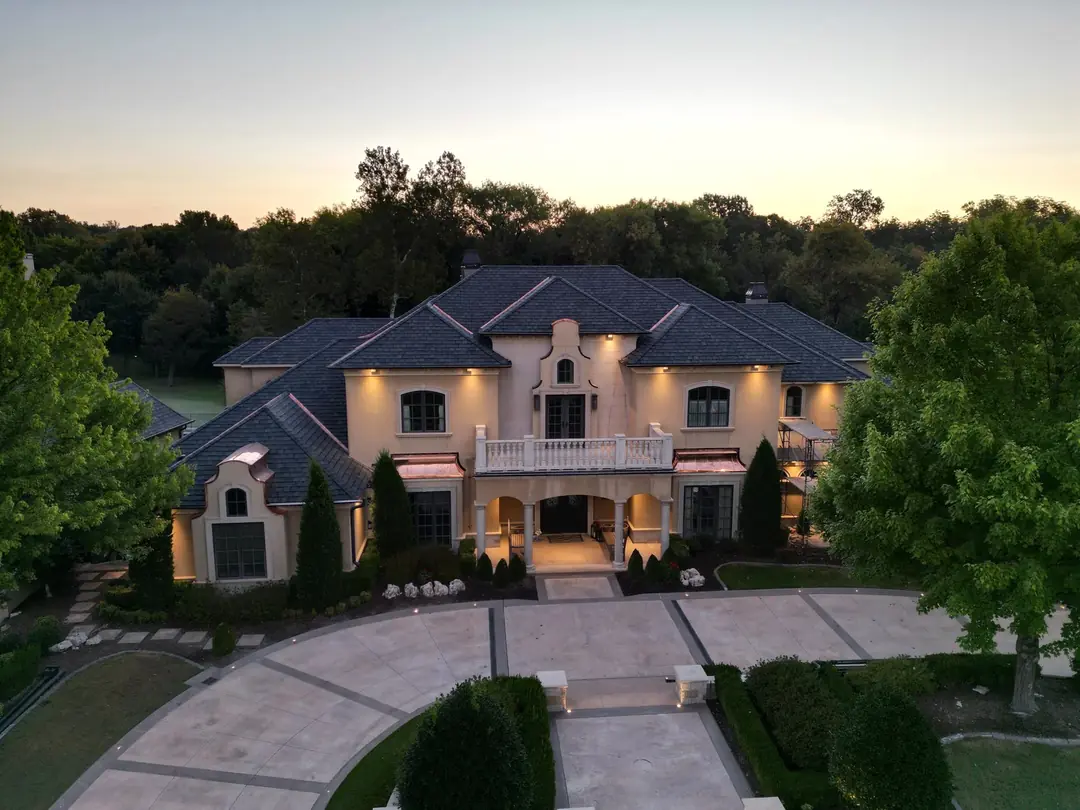
Historic Home Roofing in Tulsa: Slate, Tile, Copper and Getting It Right
Roofing an older or historic Tulsa home: slate, tile, copper and shake, common problems, preservation rules to check, and how to choose a roofer.

The short answer: Historic and older homes in Tulsa often have slate, clay or concrete tile, wood shake, copper or standing seam metal, plus plank decking, steep pitches and complicated flashing. Check preservation and association rules before choosing a material, get an inspection with photos for each roof section, and hire a roofer with experience in your material. Repairing a sound slate or tile roof is often better than replacing it.
In this guide 10 sections
- What Makes a Historic Roof Different
- Common Roofing Materials on Older Homes
- Problems We Commonly See
- Check the Rules Before You Start
- Repair, Restore or Replace?
- How to Choose a Roofer for a Historic Home
- Insurance and Older Homes
- Frequently Asked Questions About Historic Home Roofing
- Get Your Historic Roof Inspected
- Related Reading
A historic home's roof is part of its character. It's also the first line of defense for materials that can't easily be replaced: old plaster, hardwood floors, original woodwork and masonry. A mistake on a historic roof can be costly to undo, and a well done one can protect the house for decades.
This guide is for owners of older and historic homes in Tulsa, in neighborhoods with character such as Maple Ridge, Brady Heights, Swan Lake and Florence Park, and in the many others with homes from the early and mid 1900s. It covers the materials these houses use, the problems we see, how to find out what rules apply, and how to choose a roofer who knows how to work on them.
What Makes a Historic Roof Different
The materials are specialty materials
Older Tulsa homes often have slate, clay tile, wood shake, copper or standing seam metal. Each one needs trained hands and the right tools. Slate and tile can last a long time, but they can also break when someone walks on them wrong. Our guides to slate roofing, tile roof repair and cedar shake cover each material.
The structure underneath is older
Many older homes have plank decking with gaps between the boards, instead of the solid sheathing used today. That affects what can be nailed to it and how a new roof has to be built. Decking can also have rot or past water damage that only shows once the old roof is off. See what roof decking is and when replacement is required.
The details are more complicated
Historic homes tend to have steep pitches, dormers, turrets, tall stone chimneys, valleys and built-in gutters. Each one is a place where water can get in if the flashing isn't done correctly. Our guide to flashing and chimney flashing repair explains why that matters.
Replacements have to be matched
The goal isn't just a dry roof. It's a roof that looks right for the house. That can mean matching the color, size and pattern of the original material, or choosing a close alternative that fits the home's style.
Common Roofing Materials on Older Homes
| Material | What to know |
|---|---|
| Slate | Long lasting when it's sound, but individual pieces break and the fasteners can fail before the stone does. Repairs need a slate-experienced roofer. |
| Clay and concrete tile | Heavy and durable. Cracked pieces and failing underlayment or flashing are the usual problems. |
| Wood shake | Beautiful but high maintenance in Oklahoma weather, and subject to fire and insurance concerns. See cedar shake roofing. |
| Copper and metal | Common for accents, gutters, flashing and some roofs. Needs correct soldering and fastening. See copper gutters. |
| Asphalt shingles | On many mid-century homes. The newer designer lines can echo slate or shake. See designer shingles. |
Problems We Commonly See
- Cracked or slipped slate and tile from age, foot traffic or storms
- Failed flashing at chimneys, valleys, dormers and walls
- Built-in and box gutters that have rusted, clogged or lost their lining
- Previous repairs that used the wrong materials, such as tar over cracked flashing
- Damaged or rotted decking under the old roof
- Poor ventilation and insulation that doesn't suit the original structure. See attic ventilation.
- Storm damage to older materials that are harder to match
Check the Rules Before You Start
If your home is in a designated historic district or is individually listed, there may be rules about what you can change on the exterior, and a roof usually counts. In Tulsa, exterior work in historic preservation districts is generally reviewed by the city, so check with the City of Tulsa and the Tulsa Preservation Commission before you choose a material or sign a contract. A homeowners association or neighborhood association may also have its own guidelines.
Some projects may qualify for historic rehabilitation tax credits, mostly for income-producing property, so ask the Oklahoma State Historic Preservation Office what applies. Rules and eligibility vary, so don't assume.
Repair, Restore or Replace?
- Repair when the roof is mostly sound and the problems are limited, such as a few broken pieces, a flashing failure or a bad valley. A good slate or tile roof can often be repaired for many years.
- Restore when the material is sound but the details have failed: flashing, gutters, fasteners and underlayment can be redone while keeping the original surface.
- Replace when the material has reached the end of its life, the decking is failing, or repeated repairs aren't holding. A replacement should be planned to match the home's character.
A detailed inspection with photos is the best way to decide. Ask for the condition of each roof section, not just a total price.
How to Choose a Roofer for a Historic Home
- Ask for examples of similar work on slate, tile, copper or older homes, with references.
- Ask who will actually do the work and whether they have experience with your material.
- Ask how they'll protect the home, landscaping and original features during the work.
- Ask about flashing, valleys, chimneys and built-in gutters, and how they'll handle each.
- Ask how custom metal work is done. We fabricate flashing, chimney caps and copper pieces in our own sheet metal shop so they fit the house.
- Ask what happens if rot or damage is found under the old roof, and how it's priced.
- Get the scope, materials and warranty in writing. See our roofing contract checklist.
Insurance and Older Homes
Insurance on an older home can work differently. Some policies pay less for older roofing materials, or exclude certain ones, and matching specialty materials may not be fully covered. Ask your insurer how they treat roof age, whether your policy pays replacement cost or actual cash value, and what happens with a historic material. Our guides on roof age and insurance and ACV vs. RCV explain the basics.
Frequently Asked Questions About Historic Home Roofing
Can a slate or tile roof be repaired instead of replaced?
Often, yes, if the material is mostly sound. Broken pieces can be replaced and flashing, underlayment and valleys can be redone. A roofer experienced with the material can tell you how much life is left.
Do I need approval to replace the roof on a historic home?
It depends on where the home is and how it's designated. In a historic preservation district, exterior work is generally reviewed, so check with the City of Tulsa before starting.
Can I use shingles that look like slate or shake?
Often, yes, where the rules allow it. Designer shingles can be a lighter, lower cost option that echoes the original look. Check your district and association guidelines first.
Why is a historic roof more expensive?
The materials cost more, the work is slower and more skilled, and the details such as flashing, chimneys and valleys take more time. Hidden decking problems can add cost too.
How often should an older roof be inspected?
At least once a year, and after any major storm. Small issues on older roofs, such as a slipped tile or a failing flashing, can become leaks quickly.
Get Your Historic Roof Inspected
We'll walk the roof, photograph each section and tell you plainly what it needs, with a written scope you can take to your preservation office, insurer or association. Request a free roof inspection. No pressure, just a clear picture of your roof.
Related Reading
Schedule Your Free Roof Inspection →
Sources and disclaimer. Information in this article comes from manufacturer documentation for the products named and RainTech’s own installation experience in Oklahoma. It was current as of November 18, 2026; laws, insurance rules, manufacturer terms and prices change. This article is general information, not legal, insurance, tax or financial advice.


