What size hail damages a roof?
Older and 3-tab shingles can bruise at about 1 inch, the National Weather Service's severe threshold. Standard architectural shingles usually start taking real damage around 1¼ inches. Class 4 shingles are rated to resist a 2-inch steel ball, and metal can dent without leaking.
Can a roof have hail damage I can't see from the ground?
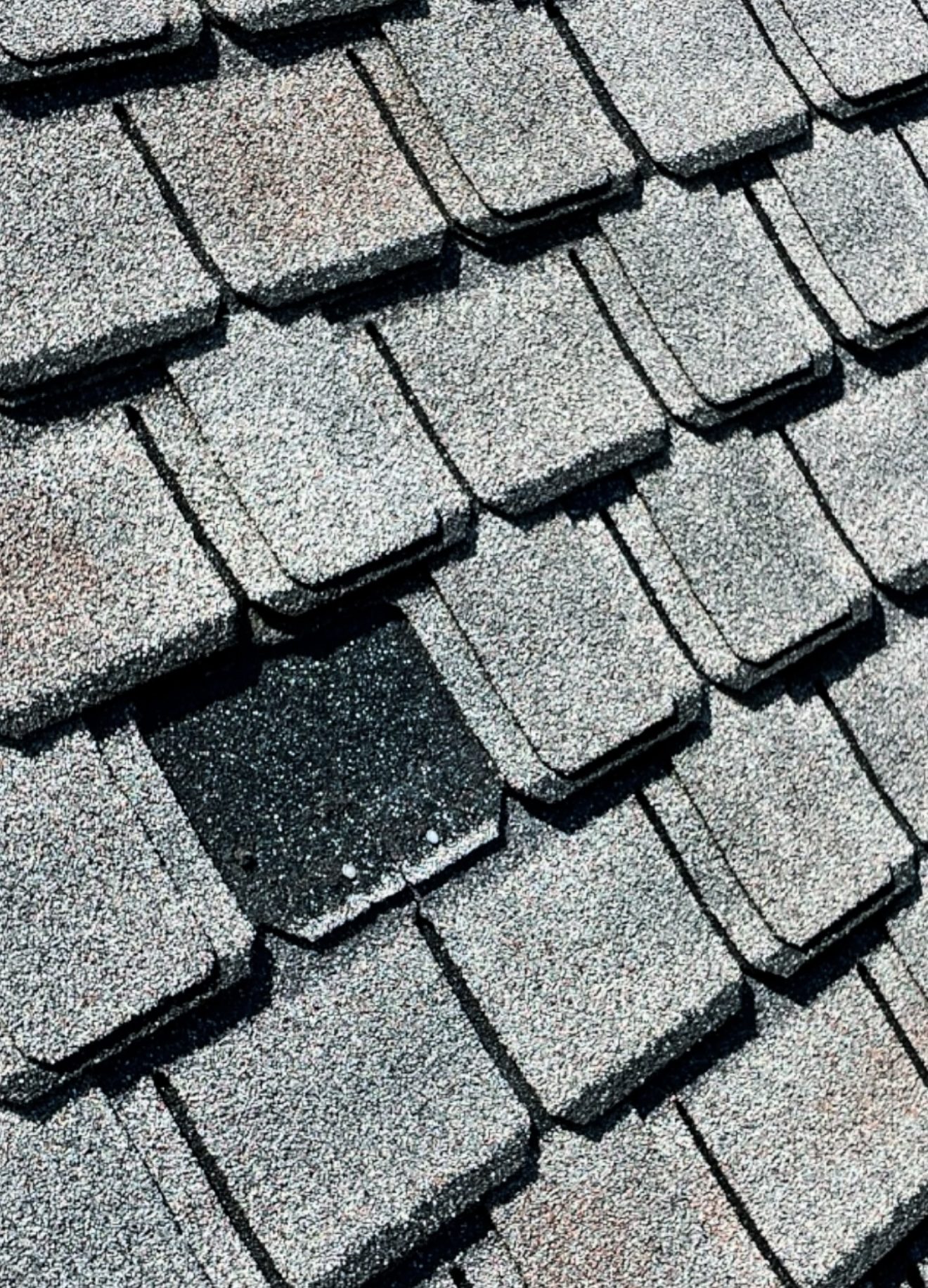
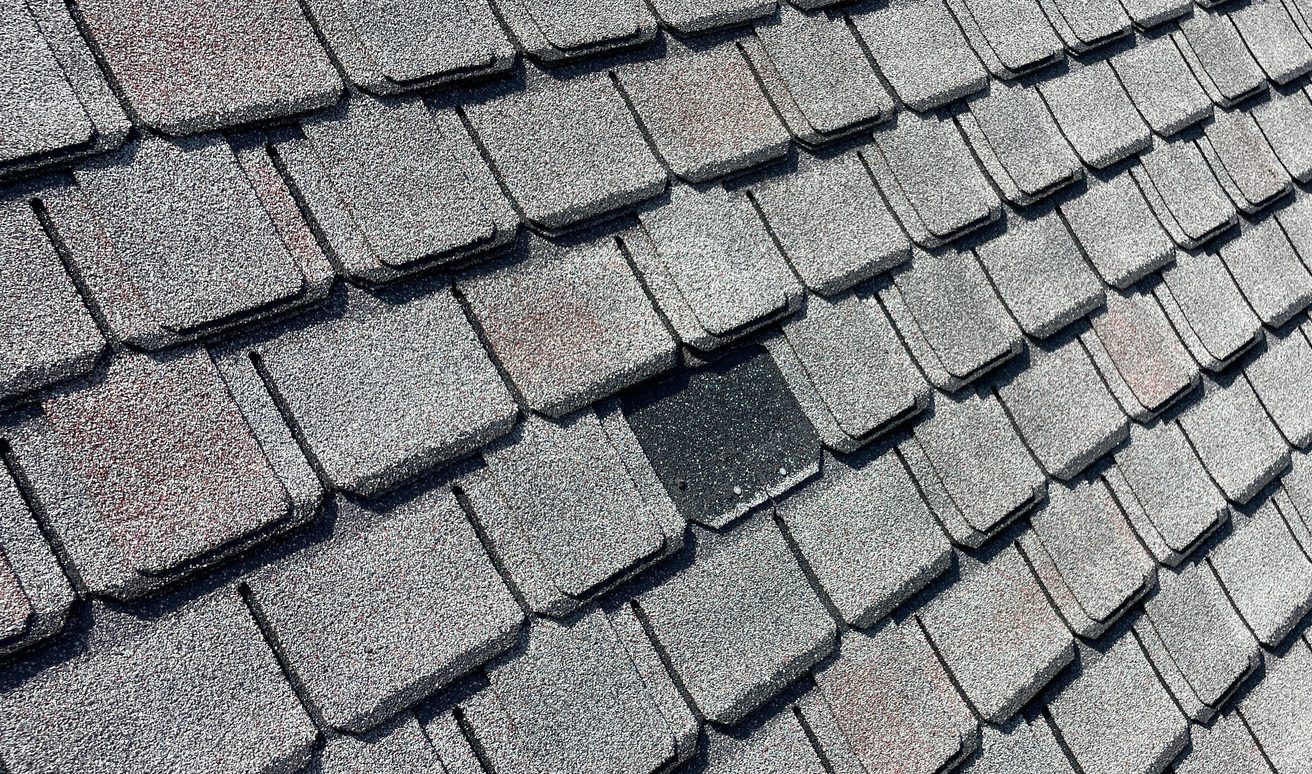
Yes, often. Hail bruises crack the shingle mat without tearing the surface, and they're hard to see from below. Dented gutters, vents, AC fins or chipped paint at ground level are good signs the roof took hits too. A free inspection is the only way to know.
Is a storm inspection really free?
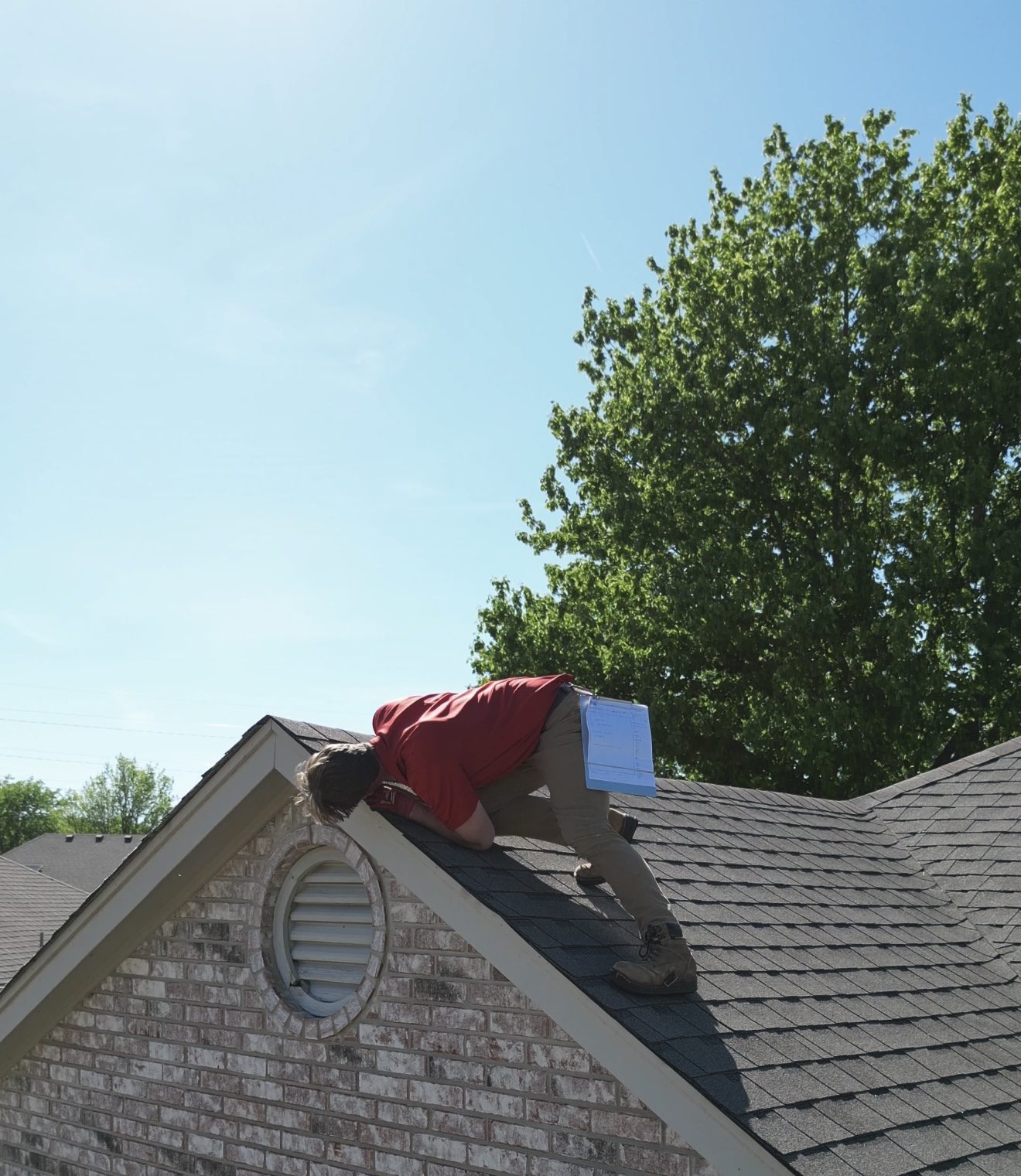
Yes. We inspect the roof, gutters, vents and siding, photograph what we find, and tell you whether it's worth filing a claim. There's no obligation.
Should I call my insurance company or a roofer first?
Get inspected first. A photo-documented inspection tells you whether there's enough damage to be worth filing, and gives you the evidence to file with. If it isn't worth a claim, you haven't opened one.
How soon after a storm should I get my roof inspected?
Within a few weeks if you can. Most policies give you one to two years to file, but bruises fade, more storms muddy the date, and a recent inspection ties the damage to a specific storm.
What does wind damage look like?
Missing shingles, shingles with a crease across them, lifted edges that no longer lie flat, and pieces in the yard. Once a shingle's seal strip breaks, the next storm can take it off.
Can you tarp my roof the same day?
Call (918) 449-1474. When water is coming in, we work to get a tarp on as fast as weather and safety allow. Tarping is nearly always reimbursable through the claim as a mitigation cost.
Can a roofer waive my deductible?
No. Oklahoma law prohibits contractors from waiving or paying your deductible, and it's treated as insurance fraud. A roofer who offers is a red flag.