
Why Is Proper Flashing the Most Often Overlooked Part of a Roofing System?
When homeowners think about roofing, they usually focus on shingles. Color. Style. Brand.
But shingles are not what keep water out of your home.
Flashing does.
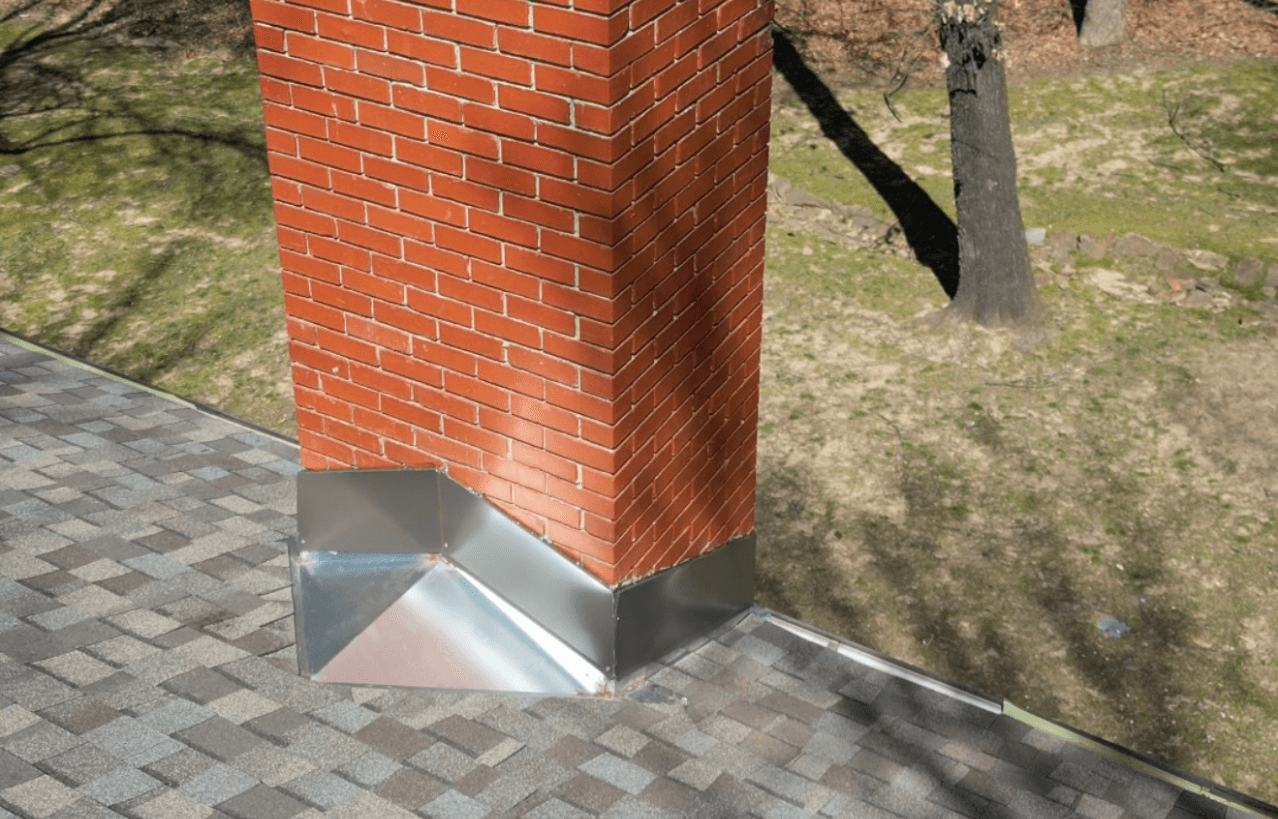
Flashing is the thin metal material installed at critical transition points on your roof. It directs water away from vulnerable areas like chimneys, valleys, dormers, skylights, and wall intersections. When flashing fails, leaks follow. Not immediately. Quietly.
By the time you notice interior damage, the problem has often been developing for months.
What Is Roof Flashing?
Flashing is typically fabricated from aluminum, galvanized steel, or copper. It is installed anywhere the roof plane meets another surface.
Common flashing areas include:
Chimney bases
Roof valleys
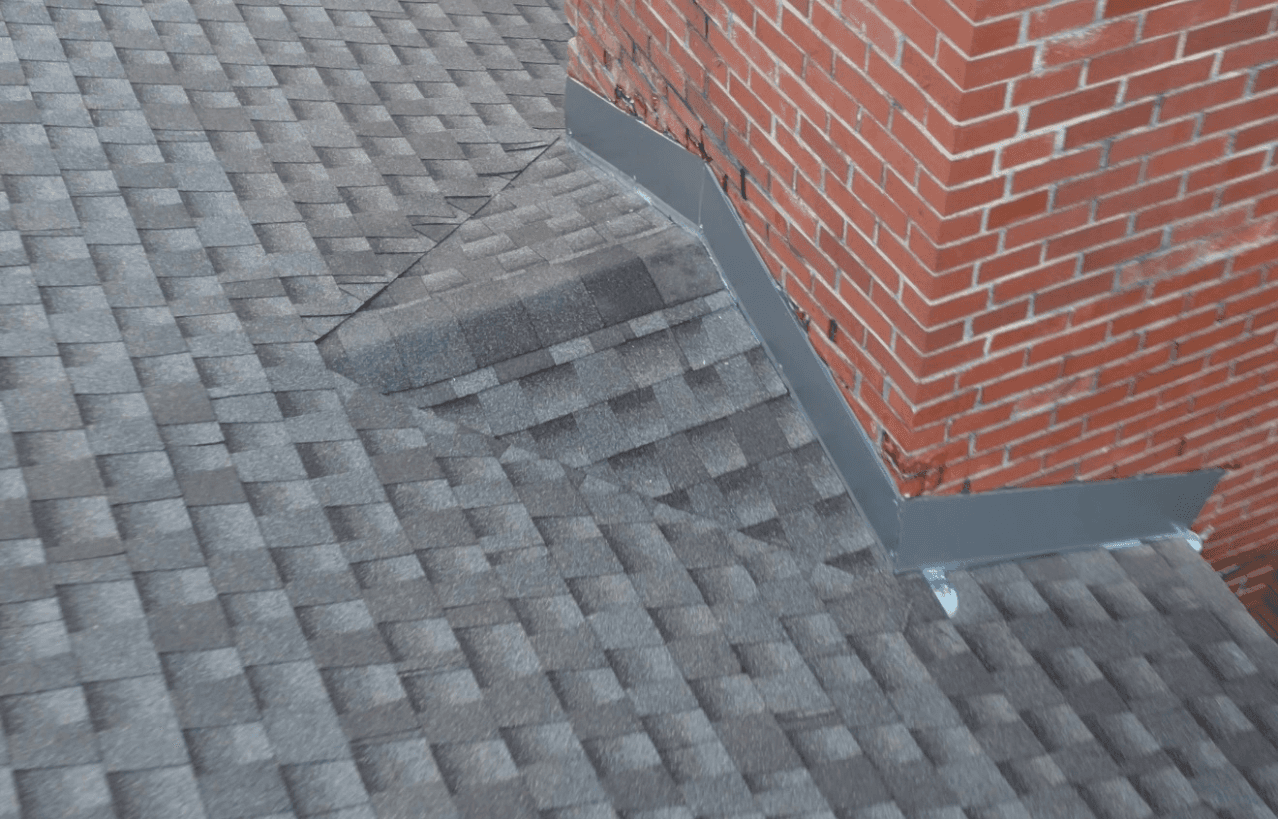
Step flashing along sidewalls
Around skylights
Pipe penetrations
Dormers and wall transitions
These are the highest-risk water intrusion points on any roofing system.
Why Flashing Fails
Flashing problems rarely show up in the first year. They appear later, when shortcuts begin to surface. The most common causes include:
1. Improper Installation: Step flashing must be layered correctly with each course of shingles. If it is reused during a replacement or installed as a continuous piece instead of individual steps, it will eventually leak.
2. Sealant Dependence: Caulk is not a waterproofing system. If flashing relies on sealant instead of mechanical layering, it is temporary.
3. Reused or Thin Metal: During lower-cost roof replacements, old flashing is sometimes reused to reduce labor and material costs. It may look fine. It often is not.
4. Thermal Movement: In Oklahoma, extreme temperature swings cause metal to expand and contract. Poorly secured flashing can pull loose over time.
Why Oklahoma Homes Are Especially Vulnerable
Between hail, high winds, humidity, and rapid temperature shifts, Tulsa-area roofs experience significant stress.
Wind uplift can loosen improperly installed step flashing.
Heavy rain tests valley flashing immediately.
Freeze-thaw cycles can open small gaps around chimneys and penetrations.
Flashing failures are one of the most common causes of post-storm leak calls.
The Difference Between Basic and Professional Flashing Work
There is a major difference between roofing crews who “roof around” flashing and contractors who fabricate and integrate flashing systems correctly.
Professional flashing work includes:
Removing and replacing all compromised flashing during roof replacement
Installing individual step flashing pieces at wall transitions
Proper counter flashing at chimneys
Correct valley metal installation
Fabricating custom sheet metal when standard pieces do not fit
When done correctly, flashing should last as long as the roof system itself.
Signs Your Flashing May Be Failing
Water stains near ceilings close to chimneys or walls
Leaks that appear during wind-driven rain
Rusted metal around roof transitions
Loose or lifted metal edges
Past repairs that involved excessive caulking
If you see sealant smeared heavily around a chimney, it often indicates a prior flashing issue that was patched rather than corrected.
Why Flashing Matters More Than Shingles
Shingles shed water. Flashing redirects it. Your roof is a system. The intersections are where that system either succeeds or fails. Most major leaks do not begin in the middle of a shingle field. They begin at transitions.
If you are replacing your roof, ask your contractor one direct question:
“Are you replacing all flashing and step flashing, or reusing existing metal?”
The answer will tell you more about the quality of the job than the brand of shingle ever will.
If you would like a professional inspection of your flashing system or have concerns after a recent storm, RainTech provides detailed roof assessments across Tulsa and surrounding communities.
Proper flashing is not always flashy. But it is what protects everything underneath.