
Filing a Hail Damage Roof Claim in Tulsa: Step-by-Step
Hail damage is the single most common storm-related insurance claim filed by Tulsa-area homeowners. In an average year, Oklahoma experiences more reported hail events than any state except Texas, and the Tulsa metro sits squarely in the heart of the hail belt.
For homeowners who have just watched a severe thunderstorm batter their roof, knowing how to file a claim correctly - and quickly - can mean the difference between a fully-covered roof replacement and an expensive out-of-pocket repair.
This guide walks through the entire hail damage roof claim process step by step, from the moments after the storm passes to the final insurance payment after work completion. Understanding each step in advance helps Tulsa homeowners navigate the process confidently and avoid the common mistakes that delay or reduce claim outcomes.
For broader information on roof insurance and storm response, see our companion article on how to identify hail damage on your roof in Tulsa.
Step 1: Confirm the Storm Event
Before filing any claim, document that an actual qualifying storm event occurred at your property. Insurance carriers will not approve claims without confirmation that storm conditions capable of causing damage actually passed over the location.
Documentation sources:
Save weather data from your local news app, the National Weather Service, or weather services that show hail size, wind speed, and storm timing.
Note the date and approximate time the storm hit your property.
Photograph any visible damage to other property components - dented vehicles, damaged outdoor furniture, broken landscape features, damaged siding.
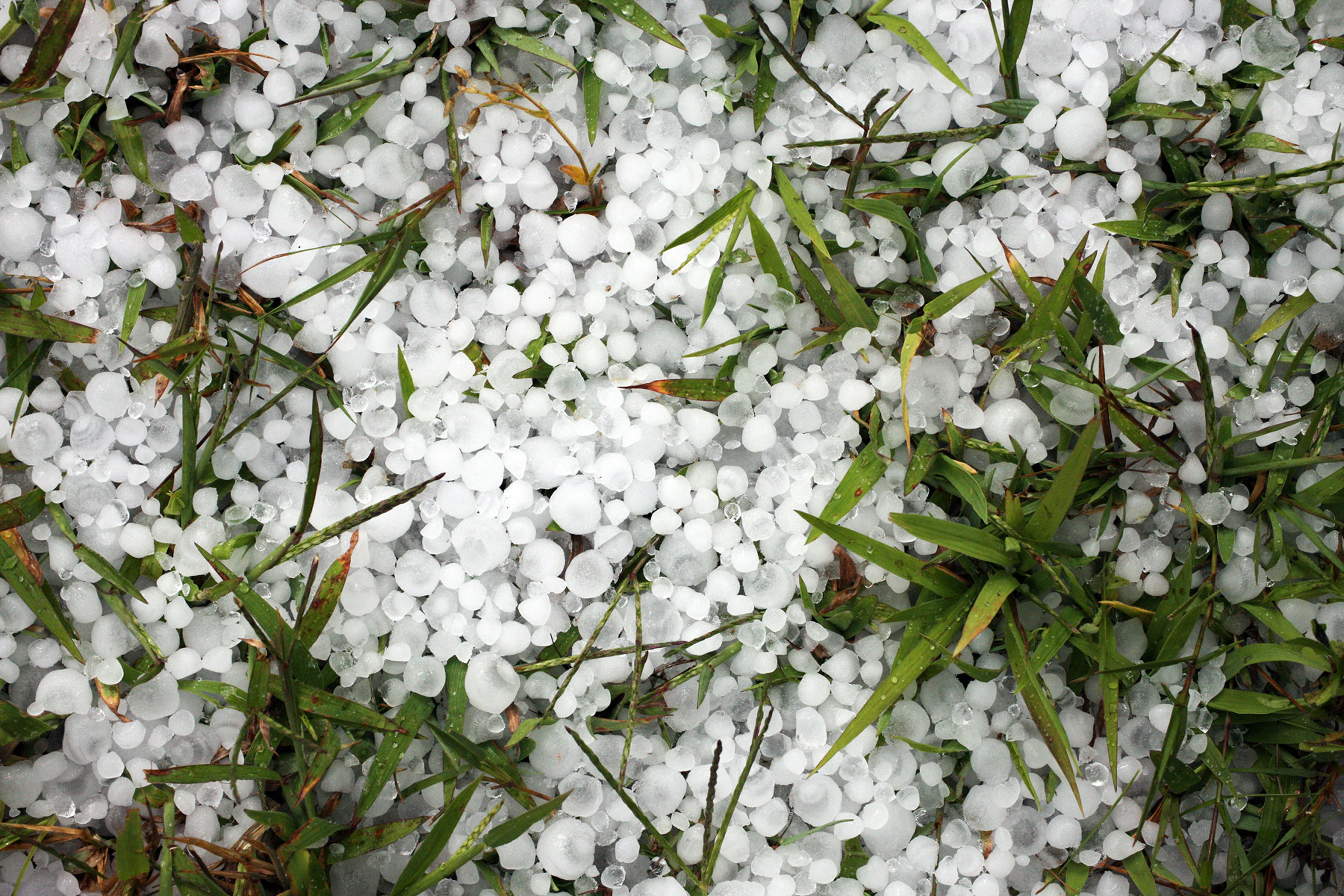
Save hail samples in the freezer if possible (helpful for size documentation later).
Check with neighbors - widespread damage across multiple properties supports the claim.
The National Weather Service Storm Prediction Center archives historical storm event data that can support claims filed weeks or months after the event.
Step 2: Get a Professional Roof Inspection
Before contacting your insurance carrier, schedule a professional roof inspection from a quality local contractor. The inspection serves several purposes:
Confirms whether actual damage exists worth claiming.
Documents the type, extent, and locations of damage.
Provides photos and detailed reports that support the claim.
Gives you an experienced second opinion on whether to proceed.
Quality contractors perform these inspections at no cost in most cases. Avoid storm chasers - established local contractors with verifiable work histories provide more reliable assessments.
Do not climb on the roof yourself. Wet, possibly compromised roofs are extremely dangerous. Professional inspection is the appropriate next step.
Our companion article on choosing a roofing contractor covers the contractor selection criteria that produce reliable claim outcomes.
Step 3: File the Claim With Your Insurance Carrier
Once the inspection confirms damage, contact your insurance carrier to file the claim. Most carriers offer multiple filing methods:
Phone call to the claims department (number on your insurance card).
Online portal or mobile app.
Local insurance agent.
Information you will typically need:
Policy number.
Date and approximate time of the storm event.
Brief description of damage observed.
Photos of visible damage.
Your preferred communication method.
The carrier will assign a claim number and connect you with an adjuster who will schedule an inspection. Filing does not commit you to proceeding - if the adjuster finds insufficient damage, you can close the claim without further action.
Time is important. Most Oklahoma homeowner policies allow up to two years to file a claim, but carriers prefer prompt filing within weeks or months of the storm event. Long delays can complicate the claim significantly.
Step 4: Schedule the Adjuster Inspection
Within several days of filing, the carrier-assigned adjuster will contact you to schedule an on-site inspection of the property. The adjuster will physically inspect the roof, document the damage, and develop a preliminary scope and cost estimate.
Best practice: have your contractor present at the adjuster inspection. This allows the contractor to point out damage that might be missed, ensure the scope is comprehensive, and clarify any technical questions in real time. Most quality contractors expect and welcome this involvement.
Before the adjuster arrives:
Have your policy declarations page available.
Prepare a written list of damage you have observed.
Be present (or have a representative present) during the inspection.
Take your own photos for your records.
The adjuster inspection takes 30-90 minutes depending on roof complexity. They typically walk the roof, identify "test squares" (10x10 foot sections) on each slope, count hail strikes per test square, and document damage at specific locations.
Step 5: Review the Adjuster Scope
After the inspection, the adjuster develops a written estimate using Xactimate or similar industry-standard software. The estimate includes:
Itemized scope of work (tear-off, materials, installation, cleanup).
Quantities and unit prices for each line item.
Sales tax.
Overhead and profit (typically 20% for large losses).
Total claim amount.
Review the scope carefully with your contractor:
Does the scope cover all damaged areas?
Does it include essential items (ice and water shield, drip edge, flashings, pipe boots)?
Does it include code upgrades if applicable?
Are the prices reasonable for our market?
If items are missing or pricing is below market, your contractor can prepare a "supplemental" estimate documenting the differences. Most carriers negotiate in good faith on legitimate scope disagreements.
Step 6: Receive the First Check (ACV)
Once the scope is approved, the carrier issues the first check. For policies with Replacement Cost Value (RCV) coverage, this first payment is the Actual Cash Value (ACV) amount - the scope minus depreciation and the deductible.
First check math:
Total Replacement Cost - Depreciation - Deductible = First Check Amount
Depreciation accounts for the age and condition of the roof at the time of loss. A 12-year-old roof has been depreciated by approximately 40-50% under typical schedules.
For ACV-only policies, the first check is the only check. The depreciation is permanently the homeowner's responsibility.
For RCV policies, a second check (recoverable depreciation) comes after work completion to bring the total payment up to the full replacement cost minus deductible.
For homeowners considering selling the property without completing repairs, the recoverable depreciation is forfeited. Quality contractor representation helps ensure the full RCV benefit is captured.
Step 7: Sign Contract With Your Contractor
With the claim approved and the first check in hand, sign a contract with your selected contractor for the work. Best practices:
Verify contractor licensing through the Oklahoma Construction Industries Board.
Compare bids from 2-3 quality contractors but recognize that the lowest bid is rarely the best value.
Review the contract carefully for scope, materials, warranties, payment terms, and timeline.
Avoid contractors who pressure for immediate signing or demand large upfront deposits.
The contract should reference the insurance scope - work performed matches what insurance is paying for. If you want upgrades beyond the insurance scope (Class 4 shingles, premium underlayment), those additional costs come from your own pocket unless the carrier specifically agreed to them.
Step 8: Complete the Work
Roof installation typically takes 1-3 days for residential projects. The general sequence:
Day 1: Tear-off of existing roof, deck inspection, decking replacement if needed, underlayment and ice and water shield installation, drip edge installation.
Days 2-3: Shingle field installation, flashings and detail work, ridge cap, final cleanup.
Throughout the project:
Document the work with photos.
Save invoices, packing slips, and material specifications.
Address any issues with your contractor immediately.
Conduct a final walkthrough at project completion.
Step 9: Submit Completion Documentation
After work completion, submit documentation to the insurance carrier to trigger the recoverable depreciation payment (under RCV policies):
Final invoice from the contractor showing total work completed.
Photos of the completed installation.
Material specifications and warranty paperwork.
Any permits and inspection certificates.
Quality contractors typically handle this submission as part of their standard project closeout. The recoverable depreciation check usually arrives within 2-6 weeks of documentation submission.
Step 10: Receive the Second Check
Under RCV policies, the carrier issues a second check after work completion and documentation submission. This recoverable depreciation payment brings the total carrier payment up to the full Replacement Cost Value minus deductible.
Final payment math:
First check (ACV) + Second check (Recoverable Depreciation) = Total RCV - Deductible
Net out-of-pocket cost: Only the deductible. The carrier covers the full replacement cost of the work.
For most Tulsa-area homeowners with RCV coverage, this two-check structure delivers a fully-covered roof replacement after paying only the deductible. The mathematics matter, and understanding them prevents surprise costs.
Common Mistakes to Avoid
Waiting too long to file. Document damage immediately and file within months of the storm. Delays beyond a year can complicate claims significantly.
Signing contracts with door-to-door storm chasers. These out-of-state operators often disappear before warranty service is needed. Work with established local contractors only.
Accepting the first adjuster scope without contractor review. Get an independent contractor assessment to identify any missed items or scope shortfalls.
Skipping the adjuster inspection meeting. Be present (or have your contractor present) for the inspection.
Cashing checks before understanding what they represent. Confirm whether payment is ACV or includes recoverable depreciation.
Pocketing the first check without completing repairs. Forfeits the recoverable depreciation, which can be much larger than the first check.
Hiring contractors who promise to "pay your deductible." This is illegal insurance fraud in Oklahoma and can void your policy.
How RainTech Handles Claims
RainTech Oklahoma provides comprehensive claim assistance for clients across the Tulsa metro:
Free post-storm inspection to determine whether damage exists worth claiming.
Documentation preparation including photos, written reports, and damage assessments.
Adjuster meeting attendance to ensure comprehensive scope coverage.
Supplemental estimate submission when carrier scope omits legitimate items.
Code upgrade documentation to capture coverage for items the original scope missed.
Project execution with proper documentation throughout.
Recoverable depreciation submission to trigger the second check payment.
Our roof insurance claims service coordinates these steps as standard practice for claim-driven projects.
Time Limits and Deadlines
Several important time limits apply to Oklahoma roof claims:
Statute of limitations - Oklahoma generally allows up to two years from the date of loss to file a claim, though specific policy terms may be more restrictive.
Reasonable time requirements - some policies require notification within a reasonable time after damage discovery.
Recoverable depreciation deadlines - typically 1-2 years from the initial payment date to complete repairs and submit documentation.
Practical pressure - the longer you wait, the harder it becomes to prove damage came from a specific storm rather than accumulated wear.
For homeowners considering whether to file a claim, the calculus favors prompt action. Free inspections cost nothing, and starting the process early protects all your options. Our companion article on how long you have to file covers these deadlines in detail.
What If the Claim Is Denied?
Carriers sometimes deny claims for various reasons:
Insufficient damage to qualify for replacement.
Damage attributed to pre-existing conditions rather than the storm event.
Policy exclusions that apply to specific damage types.
Cosmetic damage on metal roofs (under cosmetic exclusion endorsements).
Denied claims can be appealed. Options include:
Re-inspection with the original adjuster.
Inspection by a different adjuster.
Submission of additional documentation.
Supplemental estimate from your contractor.
Engagement of a public adjuster for complex disputes.
Engagement of an attorney for outright denials or bad-faith situations.
Most denials can be successfully appealed with proper documentation and quality contractor support. Our team handles appeal documentation as part of our insurance claims service.
Insurance Premium Impact
Many homeowners worry that filing a claim will cause their insurance premium to increase. The reality is more nuanced:
Single weather-related claims rarely affect premium directly.
Multiple claims over a short period may affect renewal pricing.
Filing a claim is generally better than paying out of pocket for damage your insurance was designed to cover.
Premium discounts for Class 4 impact-resistant shingles can offset any modest premium increase.
Some carriers may reduce coverage or non-renew after multiple claims, but this varies by carrier and state regulation.
For most Tulsa-area homeowners, filing legitimate storm damage claims is the appropriate use of the insurance coverage you have been paying for. Premiums already account for the regional storm risk.
The Bottom Line
Filing a hail damage roof claim in Tulsa follows a clear ten-step process: document the storm, get a professional inspection, file with the carrier, schedule and attend the adjuster inspection, review the scope, receive the first check, sign with your contractor, complete the work, submit completion documentation, and receive the second check.
Each step builds on the previous, and skipping any step risks reduced claim outcomes or denied claims entirely.
For homeowners in the Tulsa metro who have experienced storm damage, the right next step is engaging a quality local contractor for a free post-storm inspection. RainTech Oklahoma performs inspection-driven claim assistance across the Tulsa metro from our shops in Midtown Tulsa, Owasso, Bixby, Broken Arrow, and Jenks. Reach out through our contact page.