

How to Identify Hail Damage on Your Roof in Tulsa
How to spot hail damage on a Tulsa roof: granule loss, bruises, dented metal and gutters, the hail sizes that damage shingles, and how insurers judge it.

The short answer: Hail damage on shingles shows up as dark spots where granules were knocked off, soft bruises or cracks in the mat, and hits scattered randomly across the roof. The easiest clues from the ground are dents in gutters, downspouts, vents and AC fins. Hail around 1 inch can damage older 3-tab shingles and about 1½ inches architectural shingles. Insurers look for functional damage, so get a professional inspection and photos before you file.
In this guide 5 sections
Every spring, severe storms roll across the Tulsa metro, bringing hail and the threat of tornadoes with each warning. As a Tulsa storm damage roofer since 2003, we want to help you understand when storm activity might be a problem and how to tell whether your home has hail damage that could lead to costly repairs if ignored.
Signs of Hail Damage in Tulsa
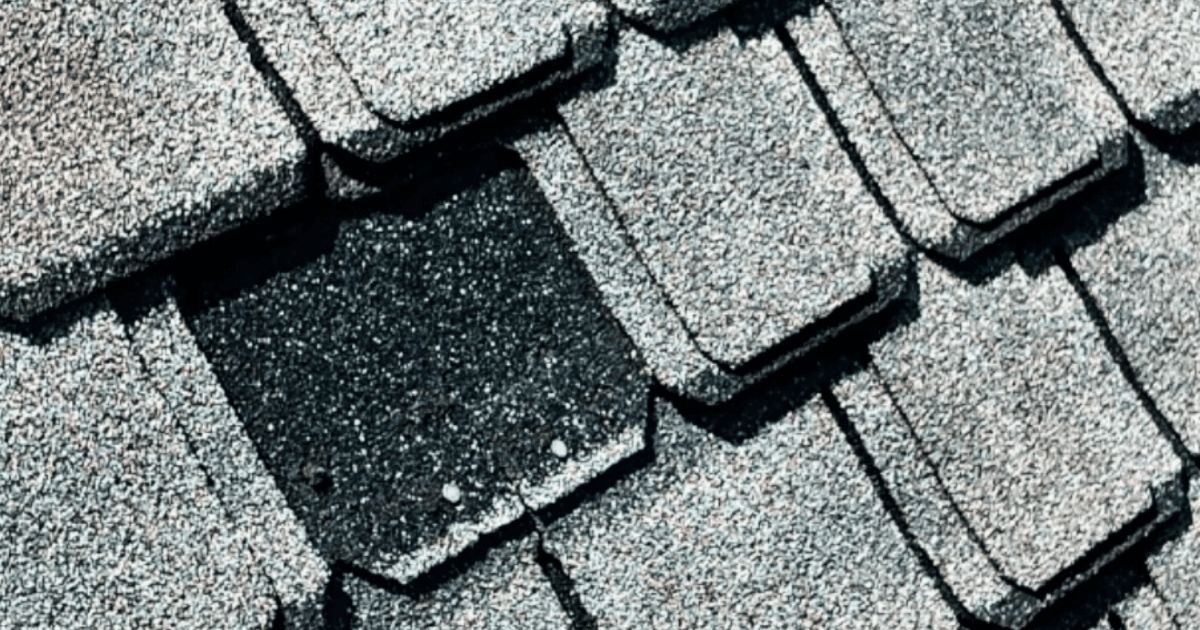
One of the most common signs that your home has received hail damage in Tulsa is visible evidence on your shingles. Some of the most important things to look for following a severe weather event include:
- Missing Granules: Granule loss occurs frequently when hail collides with an asphalt shingle. When this occurs, the protective outer layer that minimizes UV damage and moisture retention disappears and leaves your roof’s decking vulnerable.
- Bruising or Cracks: Not all hail damage is visible. When performing a storm damage roof inspection, a knowledgeable assessor will often run their hand over the shingles to determine if cracks or small dents are present. Sometimes they may not be visible to the naked eye.
Out-Of-Scope Considerations
While your roofing system is arguably the most important reason for calling a reputable storm damage roofing company, there are other areas around your home that might signify that hail damage has occurred. Some of the things the team at RainTech looks for includes:
- Rain Gutters: Small stones or granules inside of your gutters may be a non-evident sign that hail damage has occurred; however, dents and marring in your downspouts may be more visible.
- Roof Components: Metal components on the roof, including flashing, ventilation, and decorative elements will often show dents or dings more clearly than shingles will. Since metal is often a softer material, the impacts can be more identifiable.
Hail Characteristic Effects on Damage Severity
The severity of storm damage caused by hail often depends on a few distinct variables, including the size, density, impact velocity, shape, directionality, and angle of impact. The most important triad in this is the size, density, and velocity, often known as “impact energy.”
For obvious reasons, the size of a hailstone is an important factor in the amount of damage it may potentially cause. This is because the larger hail size carries far more impact energy. Some of the common hail sizes that we will see in the Tulsa area include:
- Pea Size: ¼” in Diameter
- Marble: ½” in Diameter
- Dime: ¾” in Diameter
- Quarter: 1” in Diameter
- Ping Pong Ball: 1 ½” in Diameter
- Golf Ball: 1 ¾” in Diameter
- Tennis Ball: 2 ½” in Diameter
- Baseball: 2 ¾” in Diameter
For a standard home with 3-tab organic shingles, the hail size required for visible damage is around 1”. This is smaller than the 1 ½” size required for damage to 30-year architectural shingles. It is important to note that hailstones may vary drastically in size within a single storm, so finding evidence of this isn’t uncommon following a severe weather event in Tulsa.
Standards Insurance Companies Use for Hail Damage Claims
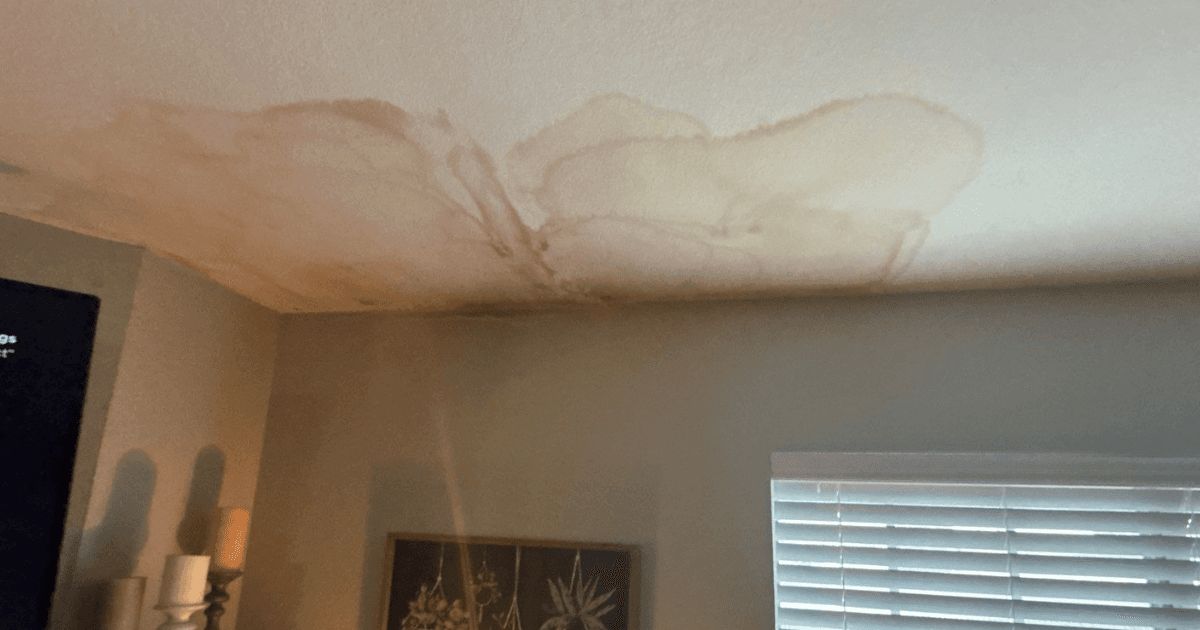
Standard homeowners’ insurance policies often cover hail damage claims under “dwelling” coverage. However, for a claim to be valid the hail must cause functional damage, such as breaking, splitting, or bruising shingles and creating an environment where leaks can occur.
In practice, that usually means hail around 1” (quarter size) or larger, with evidence like missing granules, cracked or bruised shingles, or dented metal. Cosmetic marks alone may not qualify, depending on the policy. Damage classified as “wear and tear” or pre-existing damage from a prior owner may not be covered, unless explicitly included in the policy.
Best Time to File a Roof Insurance Claim
Let’s face it, knowing when to file a claim can be incredibly confusing, especially when you receive a denial for coverage you have been paying for. Even worse, people will often tell you, “You will lose your discount!” or “They can cancel your policy if you file too many claims!” While these sound like scary warnings, a single legitimate storm claim rarely changes your rates on its own; multiple claims in a short period are what carriers look at more closely.
Homeowners insurance is designed to bring your property back to existing conditions after an unexpected loss occurs. You pay a monthly or yearly premium in exchange for their commitment to assist you. That means you aren’t likely to make a profit off your insurance company. That’s money you already paid into the coverage over time to help just in case it’s needed.
Just like a vehicle, your existing roof will depreciate over time. That means a 20-year-old roof rated for 30 years won’t be worth as much as a new roof would be. This is particularly true if you have an Actual Cash Value (ACV) policy instead of a Replacement Cost Value (RCV). Some homeowners choose ACV, or have an ACV roof schedule on an older roof, to lower their premium. Unfortunately, that means they only get paid what the roof is actually worth at the time of the loss. Our roof deductible guide explains ACV vs. RCV.
Partnering with an experienced roof inspector before contacting your insurance company can strengthen, or, if overlooked, jeopardize your claim. A knowledgeable inspector knows the evidence and documentation insurers require, can identify hidden damage, and ensures your claim is accurately supported, reducing delays and increasing approval likelihood.
Frequently Asked Questions About Hail Damage
What size hail damages a roof?
Around 1 inch (quarter size) can damage older 3-tab shingles; architectural shingles usually take about 1½ inches. Class 4 impact-resistant shingles hold up to larger hail.
What does hail damage look like on shingles?
Dark circular spots where granules were knocked loose, soft bruises that feel spongy, and cracks, scattered randomly rather than in lines.
Can hail damage cause leaks later?
Yes. Bruised shingles can crack and lose granules over the following months, which is why Oklahoma allows up to 24 months to file for hail damage that wasn't evident without an inspection. See how long you have to file.
How do I file a hail claim?
Our hail damage claim guide walks through all ten steps.
Book a Free Roof Inspection and Strengthen Your Insurance Claim
With the right partner, you don’t have to be scared that you are filing a claim that could potentially be declined and hurt your policy. At RainTech Roofing, we take the guesswork out of hail damage with our insurance claim assistance: documentation, a roofer at your adjuster meeting, and supplements for anything the first scope missed.
If you think you have storm damage to your roofing or gutters, we are always ready to help you get peace of mind and clarity. Contact RainTech today at (918) 449-1474 to schedule your free, no-obligation hail damage inspection. Our team will accurately assess your roof to determine the best way to move forward.
Sources and disclaimer. Information in this article comes from public sources such as the National Weather Service, the Oklahoma Insurance Department, Oklahoma statutes and manufacturer documentation, plus RainTech’s own inspections and claims experience in the Tulsa area. It was current as of September 24, 2026; laws, insurance rules, manufacturer terms and prices change. This article is general information, not legal, insurance, tax or financial advice.


