
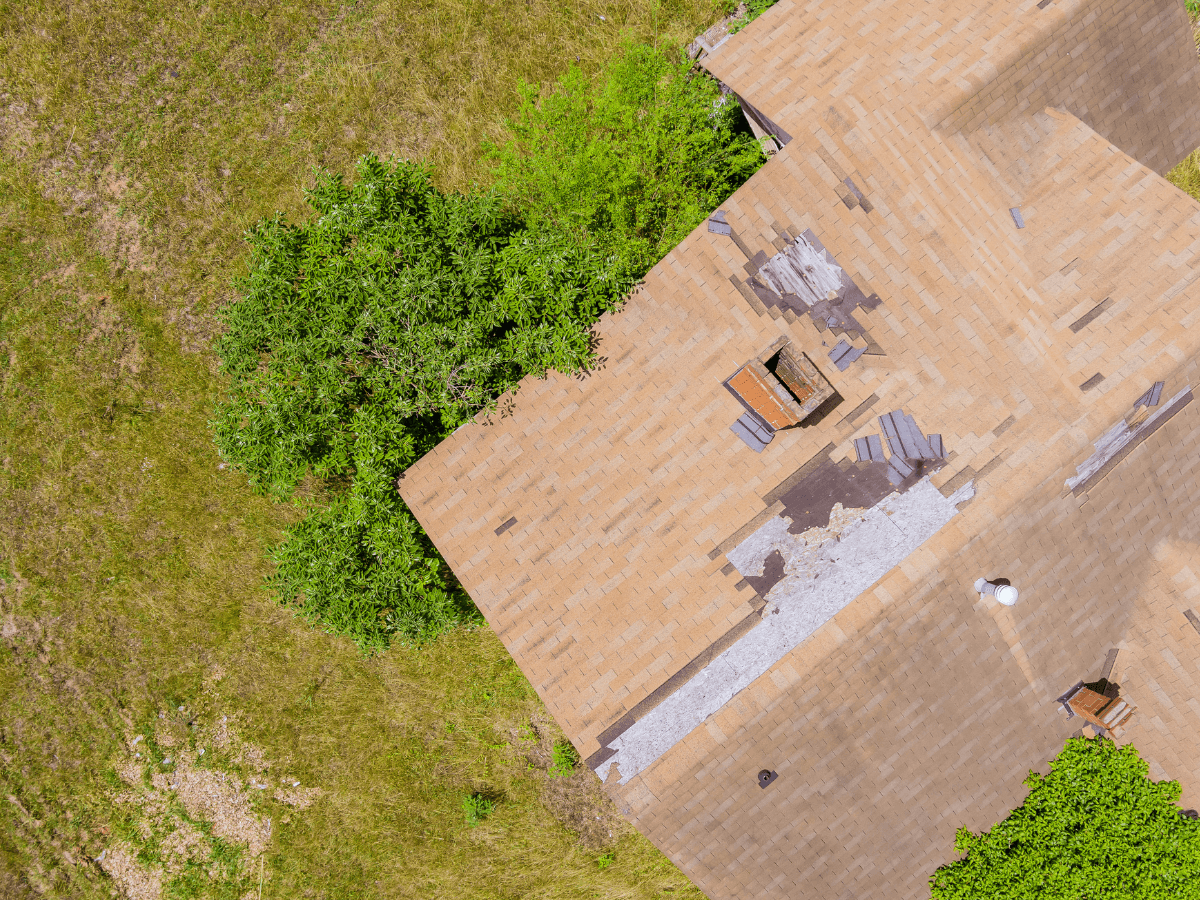
Roofing Over Shingles vs Tear-Off: Which Is Better?
When it is time for a new roof, one of the first questions homeowners ask is whether they can simply install new shingles over the old ones. It sounds appealing: less labor, no dumpster, a lower price. This is called a roof-over, an overlay, or a recover, and in the right circumstances it is allowed. But it is rarely the better choice, and in Tulsa’s storm-prone climate it can cost you far more than it saves.
This guide compares roofing over existing shingles with a full tear-off, covering cost, lifespan, warranties, code rules, and the hidden risks so you can make an informed decision before you sign anything.
What “Roofing Over” Actually Means
A roof-over means installing a new layer of asphalt shingles directly on top of your existing shingles without removing them. A tear-off, by contrast, means stripping the roof down to the bare wood decking, inspecting and repairing that decking, and building a complete new roof system from the underlayment up.
The appeal of the overlay is obvious. Skipping the tear-off removes the most labor-intensive part of the job, eliminates disposal fees, and shortens the timeline. On paper it looks like an easy way to save money. The problem is that a roof is a system, and covering up the old layer hides the very things a new roof is supposed to fix.
The Cost Difference: Real, but Smaller Than It Looks
A roof-over usually costs less than a tear-off. You are paying for one less labor phase and no dumpster or disposal, so the upfront number comes down.
But the savings are smaller than most homeowners expect, and they shrink further over time. The shingles, underlayment accessories, flashing, and skilled labor to install the new layer cost the same either way, and tear-off is only one part of the total.
More importantly, a roof-over often carries a shorter lifespan, which means your cost per year of protection can actually be higher than a properly installed tear-off. When you spread the price across the years of service you get, the “cheaper” roof frequently turns out to be the more expensive one. For current pricing in our market, see our detailed guide to roof replacement cost in Tulsa.
What Oklahoma and Tulsa Code Allow
Building code sets hard limits on roof-overs, and they exist for good reasons.
Under the International Residential Code, which Oklahoma jurisdictions follow, a roof recover is not permitted where the existing roof already has two or more layers of roof covering. In other words, you can never stack a third layer, and if you already have two layers, a full tear-off is required by code. The code also prohibits recovering over roofs that are water-soaked, deteriorated, or where the existing roof and decking are not in sound condition. You can read the provisions in Chapter 9 of the IRC.
There is a structural reason behind the two-layer cap. Each layer of asphalt shingles adds roughly 200 to 250 pounds per 100 square feet to your roof. Piling weight onto framing that was designed for a single roof is a real load concern, especially with Oklahoma’s wet snow and ice events.
On top of the code limit, the City of Tulsa requires a permit for reroofing, and a licensed contractor is responsible for making sure the work meets code. Verifying that your roofer is registered with the Oklahoma Construction Industries Board is a simple way to make sure the rules are actually followed rather than quietly ignored.
The Hidden Problems a Roof-Over Covers Up
The single biggest drawback of an overlay is that it hides the condition of everything underneath. And in Tulsa, what is underneath is exactly what you need to see.
Damaged decking stays damaged. When you tear off, the crew inspects the wood decking and replaces any rotted, soft, or delaminated boards. An overlay skips this entirely, sealing bad wood under a new roof where it will keep failing. Our guides on what roof decking is and roof decking replacement explain why a solid deck is the foundation of the whole system.
Old flashing usually gets reused. Proper flashing around chimneys, valleys, and walls is the number-one defense against leaks. Roof-overs frequently reuse or awkwardly work around old, worn flashing instead of replacing it, which is a common source of future leaks.
The new surface is uneven. New shingles follow the contour of the old ones beneath them. Any curling, cupping, or unevenness in the original layer telegraphs through, so the new roof looks lumpy and does not lie as flat, which can shorten shingle life and hurt curb appeal.
Trapped heat ages the shingles faster. Two layers hold more heat, and in Oklahoma summers that extra heat cooks the shingles from below, shortening their lifespan. This ties directly to attic ventilation, which a roof-over does nothing to improve.
Leaks become harder to find and fix. With two layers, water can travel between them before it appears inside, making the true entry point far harder to trace and repair.
Lifespan and Warranty Differences
A tear-off installed correctly gives you the full rated life of the shingle, whether that is a standard architectural shingle or a premium impact-resistant product. Because everything under the shingles is new and sound, the roof performs the way the manufacturer intended. If you are choosing materials, our comparisons of architectural vs. 3-tab shingles and the best roofing materials for Tulsa homes can help.
Warranties are where the overlay really loses its shine. Many manufacturers limit or void their strongest warranty coverage on roofs installed over existing shingles, because they cannot stand behind a system built on an unknown surface.
The enhanced, long-term warranties available through certified installers generally require a full tear-off and a complete, approved system. Our Tulsa roof warranty guide explains what is protected and under what conditions, and it is worth reading before you trade away coverage to save on tear-off.
Why Most Tulsa Homeowners Should Choose Tear-Off
For most homes in the Tulsa metro, a full tear-off is the smarter long-term investment. It lets the crew fix the decking, replace the flashing, install fresh underlayment, and correct ventilation, and it preserves your best warranty options and the full lifespan of the new roof. Given how much our roofs endure from hail, wind, and heat, starting with a clean, sound deck is worth the modest additional cost.
To see how the whole tear-off process works from inspection to cleanup, read our step-by-step guide to the roof replacement process in Tulsa, and learn what separates a well-run job in what sets a professionally managed roofing project apart.
Frequently Asked Questions About Roofing Over Shingles
How many layers of shingles can I legally have? Two, at most. Under the IRC that Oklahoma jurisdictions follow, you cannot install a new layer over a roof that already has two or more layers, which means a third layer always requires a full tear-off. Even a second layer is only allowed when the existing roof and decking are sound and the manufacturer and local code permit it.
Does a roof-over add value when I sell my home? Usually the opposite. Home inspectors and buyers view a double-layer roof as a red flag, because it hides the deck condition and often signals a shortcut. Many buyers will ask for a price reduction or a full replacement as a condition of sale, which can erase any money you saved on the overlay.
Will a roof-over void my shingle warranty? It can limit or void the strongest manufacturer warranties, since manufacturers cannot stand behind a system installed over an unknown surface. If long-term warranty protection matters to you, a tear-off is almost always required to qualify for the enhanced coverage certified installers offer.
Is a roof-over faster than a tear-off? Slightly, because it skips the tear-off and disposal, but a professional tear-off on an average Tulsa home is still typically completed in one to two days. The time savings rarely justify the long-term downsides.
How do I know if my decking is bad without tearing off? You often cannot see it from outside, which is the core problem with an overlay. Soft spots underfoot, interior stains, sagging rooflines, and past leaks are clues, but the only certain way to evaluate the deck is to expose it. That is exactly why a tear-off is the safer default.
Not Sure Which Option Fits Your Roof? Let’s Take a Look
The honest answer to “should I roof over or tear off?” depends on what an inspection reveals about your decking, your existing layers, and the condition of your roof. RainTech Roofing, Sheet Metal & Gutters gives you a straight assessment, not a sales pitch. If an overlay genuinely makes sense for your home, we will tell you. If a tear-off will protect you better and cost less over its life, we will show you why.
Call RainTech Roofing, Sheet Metal & Gutters today at 918-449-1474 for a free, no-pressure roof inspection, or book your appointment online in under a minute. Serving Tulsa, Broken Arrow, Owasso, Bixby, Jenks, and the surrounding metro, our inspection-driven team will help you choose the right approach and back it with strong manufacturer and workmanship warranties. Make the decision with the full picture in front of you.