
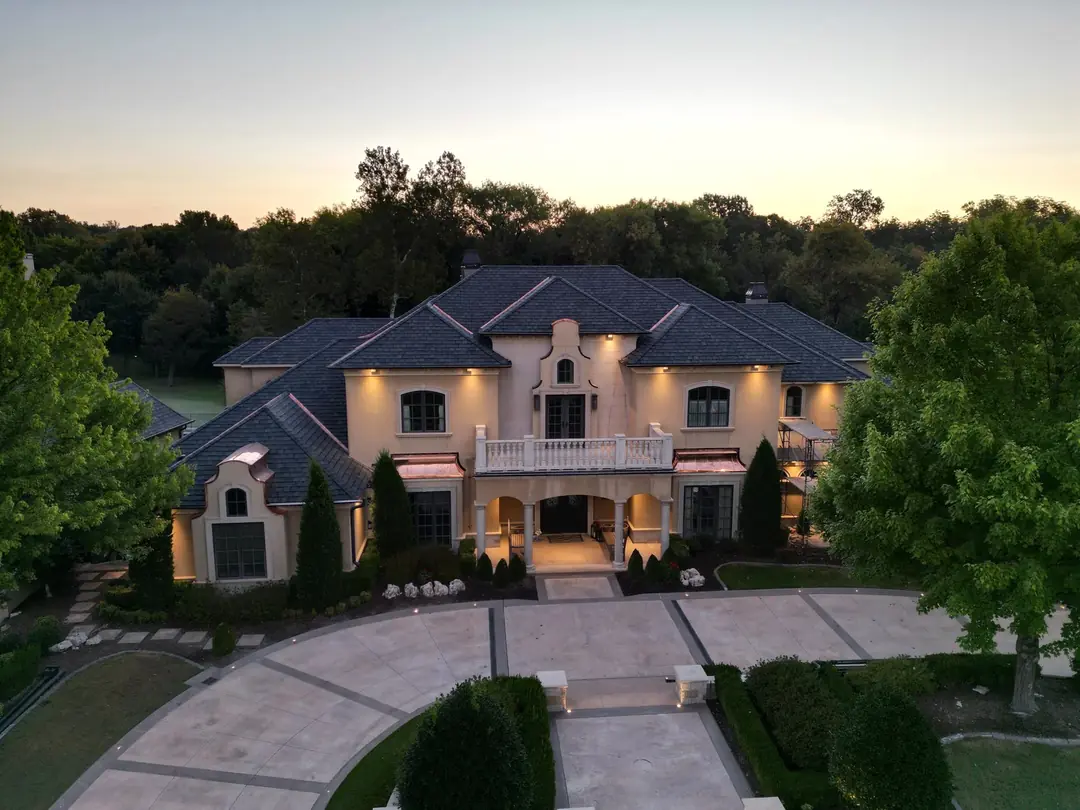
What Sets a Professionally Managed Roofing Project Apart?
What separates a professionally managed roofing project from a basic install: inspection, written scope, scheduling, installation details, cleanup and closeout.

The short answer: A professionally managed roofing project starts with a documented inspection, puts the full scope (materials, repairs, timeline, cleanup, warranty) in writing, schedules around weather and your household or tenants, pays close attention to flashing, underlayment, fastening and ventilation, keeps the site clean with a magnetic nail sweep, and closes with a final walkthrough, photos and warranty registration.
In this guide 8 sections
A roofing project is one of the most significant exterior investments a property owner will make. While materials and warranties matter, the experience of the project itself often determines whether the outcome feels smooth and predictable or stressful and uncertain.
The difference between a standard installation and a professionally managed roofing project is not simply the shingles or metal panels used. It is the structure, communication, and attention to detail that guide the process from inspection to final walkthrough.
Understanding what separates professional project management from basic installation can help homeowners and property managers make better decisions before work begins.
It Starts With a Thorough Inspection
A professionally managed roofing project begins with a comprehensive evaluation of the entire system. A surface-level estimate may focus only on visible wear. A structured inspection identifies underlying causes of failure and prevents repeat issues after installation. Clear documentation, including photos and written assessments, allows property owners to understand both the condition and the recommended solution. Clarity at this stage prevents surprises later.
Our inspections include examining:
- Shingle or membrane condition
- Flashing details around penetrations
- Ventilation performance
- Underlayment and decking integrity
- Drainage patterns and gutter condition
Clear Scope of Work and Transparent Communication
One of the most common frustrations in roofing projects is uncertainty. Homeowners often feel unsure about what is included, how long the project will take, and what happens if weather delays occur. Professional management eliminates that ambiguity.
When expectations are clearly communicated before the project begins, trust is established early. Clients should never feel rushed or pressured. Instead, they should feel informed and confident in the decision they are making.
A defined scope of work outlines always includes:
- Materials being installed
- Areas of repair or replacement
- Ventilation or flashing upgrades
- Estimated timeline
- Cleanup procedures
- Warranty coverage
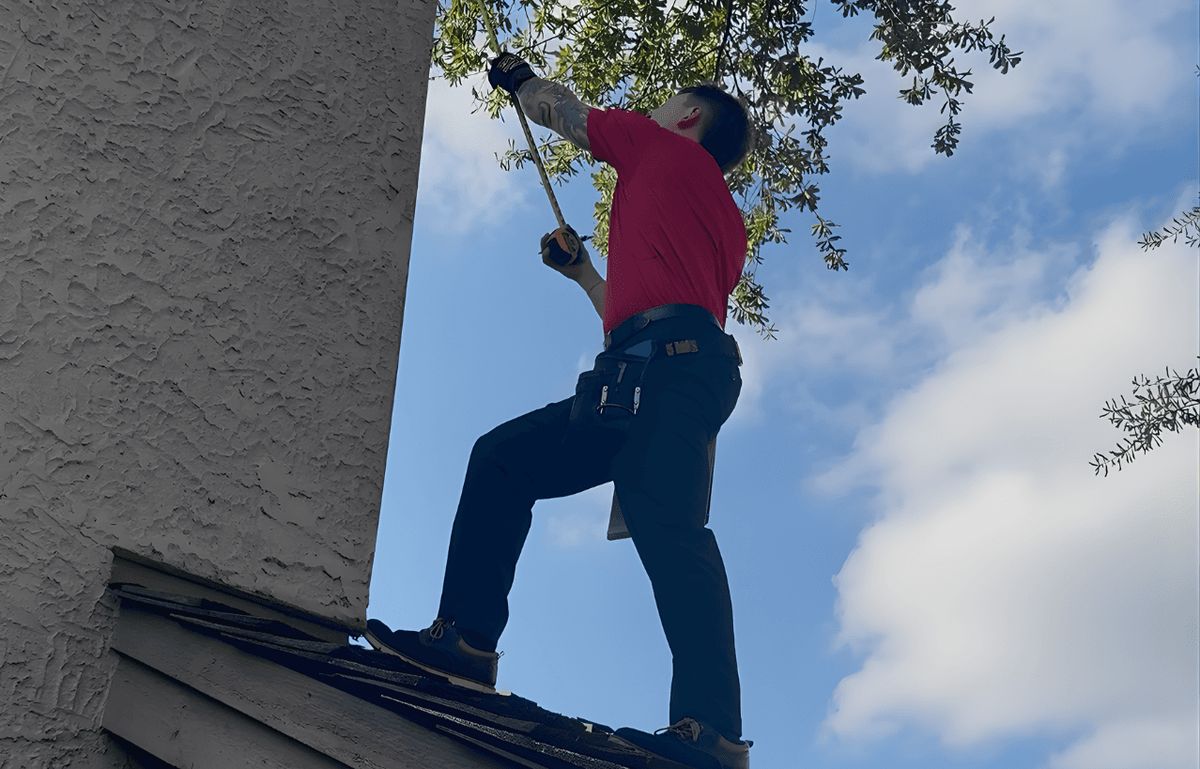
Organized Scheduling and Site Coordination
Roofing projects affect daily life. For residential properties, this means family routines and driveway access. For commercial buildings, it means tenant activity, customer access, and operational continuity. Professional roofing management accounts for these realities. A well-managed jobsite reflects respect for the property and the people who use it.
This includes:
- Coordinating start dates with weather conditions
- Protecting landscaping and exterior features
- Maintaining safe access points
- Minimizing disruption to daily operations
- Communicating progress updates throughout the project
Attention to Detail During Installation
Installation quality determines long-term performance. Small oversights can lead to significant issues over time. Details such as valley construction, chimney flashing, and roof-to-wall transitions are often where shortcuts occur. In a professionally managed project, these high-risk areas receive focused attention. Craftsmanship is visible not only in the finished appearance but in the unseen structural details beneath the surface.
Proper execution includes:
- Correct underlayment installation
- Precise flashing integration
- Accurate fastening patterns
- Proper ventilation balancing
- Clean, straight installation lines
Clean Jobsite Practices
A roofing project generates debris, removed materials, and equipment staging. Cleanliness is not cosmetic. It reflects discipline and organization. Property owners should feel comfortable walking their yard after completion. Clean jobsite practices protect vehicles, landscaping, and hardscaping from unnecessary damage.
Professional crews maintain:
- Controlled debris removal
- Magnetic nail sweeps
- Daily site cleanup
- Secure material staging
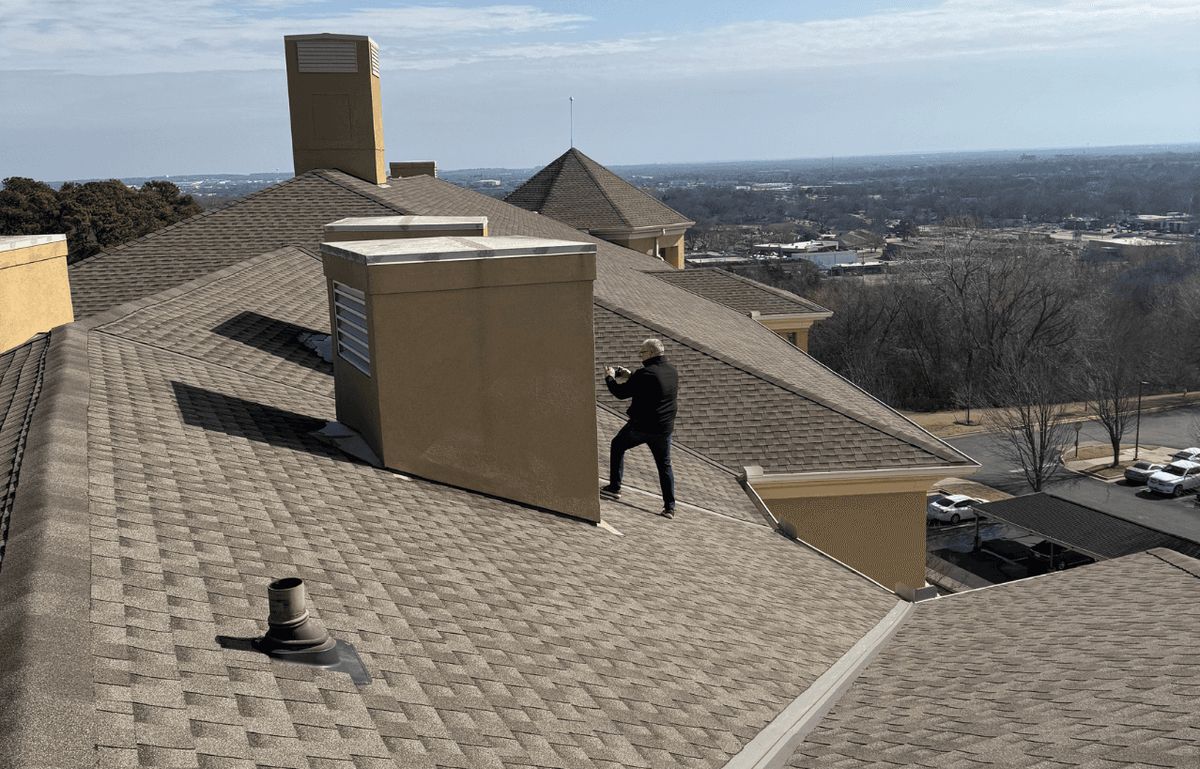
Final Walkthrough and Documentation
Completion is not simply the last shingle installed. It includes verification. This final step ensures accountability and reinforces confidence in the finished system.
A professional project concludes with:
- Final inspection of workmanship
- Confirmation of ventilation and flashing integrity
- Photo documentation
- Warranty registration
- Clear explanation of maintenance recommendations
Questions to Ask Before You Hire
- Who will be my point of contact from signing to final walkthrough?
- What exactly is in the written scope, and how are change orders approved?
- Who pulls the permit and schedules the city inspection?
- How will you protect my landscaping, driveway and AC units?
- What happens if weather interrupts the job after tear-off?
- Will I get photos of the decking and flashing before they're covered?
- Who registers the manufacturer warranty, and when will I receive the paperwork?
Our guide to reading a roofing estimate covers the scope questions in more detail, and the roof replacement process shows the day-by-day sequence.
How RainTech Manages a Project
- Free inspection with photos and a written, itemized proposal
- City of Tulsa permit pulled by RainTech
- Magnetic nail sweep and full cleanup before the crew leaves
- Final walkthrough, photo documentation and manufacturer warranty registration
- A written workmanship warranty of 2 to 10 years depending on the materials, plus GAF Golden Pledge coverage on eligible systems
- A courtesy check-in every year for the first five years
Why Process Defines Value
Luxury in roofing is not defined solely by premium materials. It is defined by control, communication, and consistency. A professionally managed roofing project protects more than the structure. It protects the homeowner’s time, budget, and peace of mind. It reduces the likelihood of callbacks, future repairs, and unexpected expenses.
Whether replacing a residential roof in Midtown Tulsa or managing a commercial system in South Tulsa, the process should feel organized, transparent, and predictable. When structure and craftsmanship align, the result is not just a new roof. It is a long-term investment completed with care.
Frequently Asked Questions About Roofing Projects
What should a roofing contract include?
The exact materials, the areas being repaired or replaced, flashing and ventilation work, decking price per sheet, timeline, cleanup, payment schedule, change-order process, and both manufacturer and workmanship warranties.
How long does a roof replacement take?
Most homes take one to two days once materials are on site, weather permitting.
What happens at the end of a roofing project?
A final inspection of the work, photo documentation, warranty registration, cleanup with a magnetic nail sweep, and a walkthrough with you.
Schedule a Professional Roof Evaluation
If you are planning a roof replacement, repair, or upgrade, the process should feel organized and clearly defined from the beginning. A structured evaluation provides the clarity you need to move forward with confidence.
Our team will assess your current system, explain your options in straightforward terms, and outline a plan built around long-term performance and professional execution. Contact us to schedule a consultation and experience the difference a professionally managed roofing project makes.
Sources and disclaimer. Information in this article comes from public sources such as the Oklahoma Construction Industries Board, Oklahoma statutes and manufacturer certification programs, plus RainTech’s own experience. It was current as of September 24, 2026; laws, insurance rules, manufacturer terms and prices change. This article is general information, not legal, insurance, tax or financial advice. Golden Pledge warranty terms are set by GAF, apply only to qualifying GAF roof systems, and are governed by the warranty GAF issues for your roof.


