
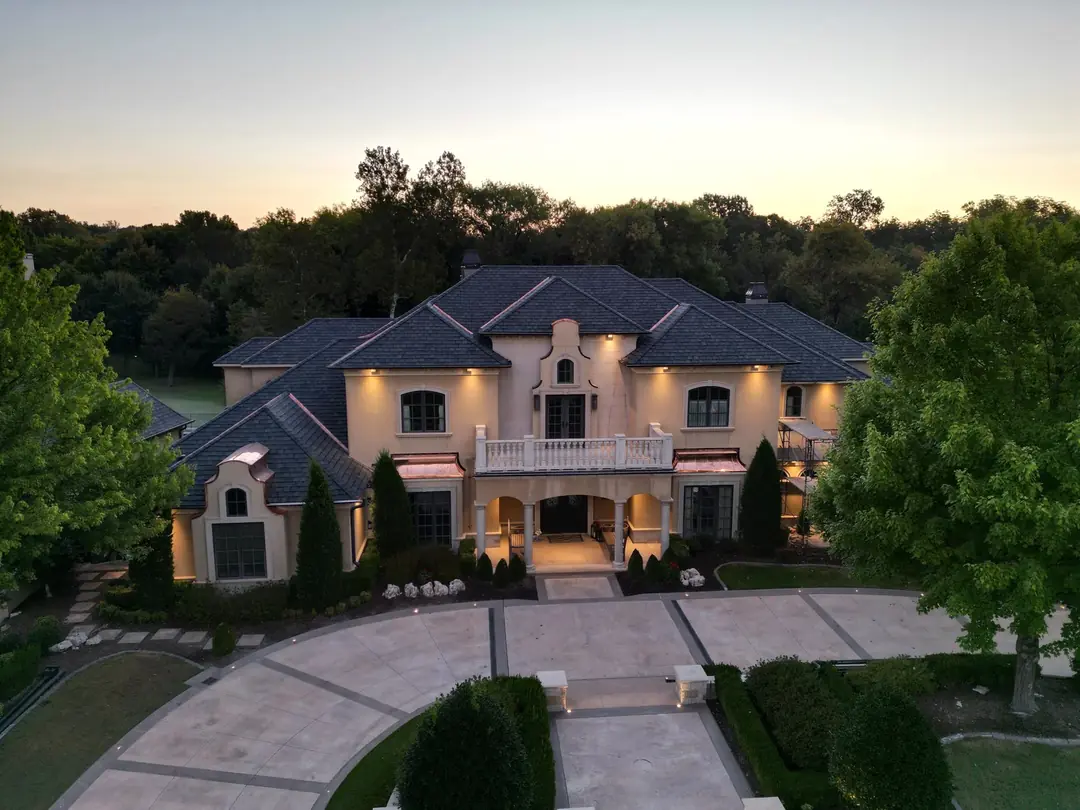
How to Choose a New Construction Roofer in Tulsa
How to vet the roofer on a new Tulsa home: certifications, insurance, the exact spec, workmanship warranty, builder upgrades worth buying, and closing paperwork.

The short answer: Check that the roofer is certified by the shingle maker (GAF Master Elite, CertainTeed SELECT ShingleMaster, OC Platinum Preferred), carries liability and workers' comp insurance, and puts the exact shingle, underlayment, ice-and-water shield and ventilation in writing. Ask for a transferable workmanship warranty, and get the warranty paperwork and registration at closing. Class 4 shingles are one of the best-value builder upgrades in Oklahoma.
In this guide 9 sections
- Why This Matters
- What to Verify About Your New Construction Roofer
- What to Expect in the Bid Process
- Production Builder Reality Check
- Custom Build Roofer Selection
- Common Mistakes to Avoid
- What Premium New Construction Roofing Looks Like
- Frequently Asked Questions About New Construction Roofing
- Get a Quote for Your Tulsa New Construction
Building a new home in the Tulsa metro is a major financial and emotional investment. The decisions made during construction shape the home for the next 30+ years. Among the most consequential, and most overlooked, is the choice of roofing contractor.
The roofer your builder uses (or that you select for your custom build) determines whether your roof reaches the upper end of its potential lifespan or starts having issues in year 5.
This guide is for two audiences: custom home buyers selecting their own trades, and production-home buyers evaluating their builder’s roofing partner. The decision criteria differ slightly between groups, but the underlying question is the same. How do you tell if the new construction roofer in Tulsa working on your home is the right one?
Why This Matters
A few realities that aren’t obvious until you’re a few years into ownership:
Builder-grade vs. premium-tier roofers serve different markets
Many production builders in the Tulsa metro work with high-volume, low-margin roofing contractors that focus on speed and cost above all else. The work is technically code-compliant but typically uses entry-level products, minimum warranty coverage, and rushed installation. The roofs hold up, but they don’t reach top-tier longevity.
Premium custom builders typically use better roofing partners with manufacturer certifications, longer workmanship warranties, and more careful attention to detail. The cost is higher; the roof performance is meaningfully better.
For buyers, knowing which type of roofer is on your home affects expectations and protects you from disappointment later.
Warranty exposure transfers to you
When the builder’s 1-year warranty expires, you own the relationship with the roofing contractor for any future warranty work. If the original installer is still in business and stands behind their work, that’s valuable. If they’re a one-and-done crew that’s already moved on, your warranty is effectively only the manufacturer’s material warranty, which doesn’t cover installation issues.
The roof affects long-term resale
A high-tier roof with documented Master Elite or Platinum Preferred installation, a written workmanship warranty (or GAF Golden Pledge coverage), and Class 4 impact-resistant shingles is worth more at resale than a code-minimum roof from an unidentified contractor. Buyers and inspectors notice.
What to Verify About Your New Construction Roofer
Whether you’re picking the roofer (custom build) or evaluating the one your builder selected (production build), here are the questions that matter:
1. Manufacturer certification
The most important single criterion. Check whether the roofer is certified by the manufacturer of the shingles being installed:
- GAF Master Elite: top tier for GAF (Timberline) shingles
- Owens Corning Platinum Preferred: top tier for OC products
- CertainTeed SELECT ShingleMaster: top tier for CertainTeed
- Atlas Pro Plus: top tier for Atlas
Why this matters: certified contractors get access to enhanced manufacturer warranties (often lifetime, transferable). They’ve completed training, are subject to manufacturer quality oversight, and represent typically the top 2-5% of contractors nationally.
How to verify: don’t just take the contractor’s word. Go to the manufacturer’s website and use their contractor locator. Master Elite, Platinum Preferred, and similar designations are listed publicly.
2. Local presence and stability
Verify:
- Physical address (not P.O. box)
- Local phone number (918, 539, or other Tulsa-area area code)
- Years in business in the Tulsa metro
- Multiple recent reviews on Google, BBB, etc.
- Active social media or website with current content
Storm chasers and one-off out-of-state operators show up in new construction occasionally. A roofer working on your home for the next 25-year warranty period needs to be in business for the next 25 years.
3. Insurance coverage
Verify:
- General liability insurance (at least $1M)
- Workers’ compensation insurance
- Bonding where applicable
Reputable contractors readily provide certificate of insurance. Don’t accept verbal claims; get the document.
4. Specific spec being installed
Get clarity on exactly what’s going on your roof:
- Shingle manufacturer, product line, and grade
- Whether Class 4 impact-resistant
- Underlayment type and brand
- Ice-and-water shield coverage areas
- Ventilation specifications
- Flashings and details
Vague answers or “standard package” responses without specifics warrant follow-up. You should know exactly what you’re getting on a 25+ year asset.
5. Workmanship warranty terms
Different from the manufacturer warranty. This is what protects you against installation problems.
Look for:
- A term in writing that matches the system being installed
- Manufacturer-backed workmanship coverage where available (GAF Golden Pledge adds workmanship coverage backed by GAF, fully covered for 25 to 30 years depending on the shingle, so it holds even if a contractor closes)
- Specific terms: what is covered and what is excluded
- Document delivery: written warranty given to you at closing
Workmanship terms commonly run from a couple of years on basic systems to ten years on premium ones. A promise is only as good as the company behind it, which is why manufacturer-backed coverage and a long local track record matter.
6. Manufacturer warranty terms
What manufacturer warranty applies:
- Tier (Standard, Silver Pledge, Golden Pledge, etc.)
- Term length (often “lifetime” but practically prorated after year 10-15)
- Transferability terms
- Wind speed coverage limit
- Algae coverage
Warranty registration should happen at closing. Verify your contractor handles this.
For deeper detail, see our roof warranty guide.
7. Quality control during installation
For custom builds where you can choose, ask about:
- How crews are supervised
- Quality control checkpoints during installation
- Photo documentation of work
- Manufacturer rep inspections (for premium warranties)
For production builds, you may not have visibility into this, but the manufacturer certification level often correlates with quality control practices.
8. References
Specifically:
- Other Tulsa-area new construction projects
- Recent (within the last 2 years)
- Buyers willing to take a phone call
Don’t accept references that sound rehearsed or that only confirm the contractor is “great.” Real references talk about specific issues and how they were handled.
What to Expect in the Bid Process
For custom builders selecting their own roofing contractor, the bid process should produce detailed quotes with:
Detailed scope
- Exact shingle product (with grade)
- Underlayment specifics
- Ice-and-water shield coverage in linear feet
- Drip edge color and gauge
- Ventilation details
- Flashing details for each penetration
- Permit responsibility
- Cleanup and disposal terms
Pricing transparency
- Itemized pricing for major components
- Add-on pricing for upgrades (Class 4, premium underlayment, etc.)
- Decking allowance if applicable
Timeline commitment
- Expected duration for installation
- Available start window
- Weather contingency planning
Warranty documentation
- Manufacturer warranty terms in writing
- Workmanship warranty terms in writing
- Transferability provisions
Quotes that don’t include these specifics aren’t real quotes. They’re sales pitches.
Production Builder Reality Check
For production homes, you typically don’t choose your roofer. Your builder does. But you can still evaluate what’s being installed:
Ask the builder
- Who is your roofing contractor?
- What manufacturer are they certified with, and at what level?
- What shingle product is being installed (specific product name)?
- What is the workmanship warranty term and is it transferable?
- What ice-and-water coverage is included?
A good production builder can answer these questions readily. Vague answers suggest the builder hasn’t pushed hard for premium roofing standards.
Optional upgrades
Many production builders offer upgrades during the build process:
- Class 4 impact-resistant shingle ($1,500-$3,500)
- Premium architectural shingle ($800-$2,000)
- Extended workmanship warranty
- Ventilation upgrades
These upgrades typically deliver real value, and the builder’s per-upgrade pricing is usually significantly less than retrofitting later. If you’re going to upgrade your roof at all, doing so during construction is the cheapest path.
Walk-through evaluation
Before final closing, walk the roof (carefully, or hire an inspector to do so):
- Visible quality of installation
- Clean lines, proper alignment
- No exposed nails or improperly placed fasteners
- Flashing details properly executed
- Ridge cap installed correctly
- Cleanup complete
Issues identified during the new construction punch list are addressed at no cost to you. Issues identified after closing become more complicated.
Custom Build Roofer Selection
For custom builds where you choose the roofer:
Get 2-3 detailed bids
From contractors at appropriate quality tiers for your build. Don’t compare premium custom roofers against budget production roofers. They’re solving different problems.
Verify certifications independently
Check manufacturer websites for current certification status.
Visit completed projects
Drive past homes the contractor has completed. Walk around (respectfully). The work should look professional, consistent, and current.
Talk to multiple references
Not just the ones the contractor offers. Look up homes the contractor has worked on (often visible from the contractor’s portfolio or social media), find owner contacts, ask about long-term performance.
Coordinate with your architect/builder
If you’re working with an architect or builder, their input matters. Trades that have worked together effectively in the past produce better outcomes.
Negotiate terms
Top-tier roofers don’t always have the lowest price, but they’re often willing to negotiate within reason, especially for complete custom builds where they’re showcasing premium work.
For broader contractor evaluation principles, see our contractor selection guide. The principles apply to new construction with builder-relationship overlays.
Common Mistakes to Avoid
A few patterns that cause problems:
Choosing on price alone
The cheapest new construction roofer is rarely the right one. Per-home savings of $1,500-$3,000 don’t offset the long-term performance and warranty differences.
Trusting verbal warranty claims
“Lifetime warranty” without written documentation isn’t a warranty. Get everything in writing.
Skipping manufacturer certification verification
Contractors claim certifications they don’t actually hold. The 5-minute verification on the manufacturer’s website is worth doing.
Accepting “industry standard” deflections
“That’s industry standard” is often code for “that’s the cheapest option.” Real industry standard varies by quality tier; don’t accept the lowest tier without consideration.
Not getting the warranty paperwork at closing
The warranty paperwork should transfer at closing. If you don’t have it in your hands, you don’t have a warranty. Push for delivery before signing.
Failing to register the manufacturer warranty
Some manufacturer warranties require registration within 60-180 days. Verify with the contractor that registration has been or will be completed.
What Premium New Construction Roofing Looks Like
For reference, here’s what high-quality new construction roofing should include:
- Class 4 impact-resistant architectural shingles from a major manufacturer
- Manufacturer-certified contractor at top tier
- Premium synthetic underlayment across the entire roof
- Comprehensive ice-and-water shield at eaves, valleys, and all penetrations
- Code-compliant ventilation appropriately sized for the building
- Quality flashings at chimneys, valleys, sidewalls, kick-outs
- Written workmanship warranty matched to the system, or manufacturer-backed workmanship coverage
- Top-tier manufacturer warranty (Master Elite, Platinum Preferred, SELECT)
- Documented installation with photos and warranty registration
- Clear communication during build and at closing
This is the spec that creates a roof asset worth maintaining and worth marketing at resale.
Frequently Asked Questions About New Construction Roofing
Can I choose my own roofer on a production home?
Usually not, but you can ask who the builder uses, what certification they hold, which exact shingle is going on, and what the workmanship warranty is, and you can buy upgrades during the build.
Which roof upgrades are worth it on a new build in Oklahoma?
Class 4 impact-resistant shingles (often $1,500 to $3,500 during the build) are the big one, because of hail and possible insurance discounts. Full synthetic underlayment, more ice-and-water shield, and proper ventilation are close behind.
What roofing paperwork should I get at closing?
The written workmanship warranty, the manufacturer warranty registration, the product specs, and installation photos if the roofer took them.
Get a Quote for Your Tulsa New Construction
If you’re building a custom home in the Tulsa metro and selecting your own roofing contractor, schedule a new construction conversation with our team. We have specific experience with custom builds and the coordination, quality, and warranty standards that make them work. Our new construction roofing page has a spec-sheet builder you can fill out and send with your plans.
If you’re buying a production home and want to verify the roofing contractor your builder is using meets reasonable standards, or want to evaluate upgrade options during the build, we can help with that too. Sometimes a third-party perspective is the right input for builder conversations.
For new construction in Tulsa, the roofing decisions made now affect the home for decades. We’re here to help make confident, well-informed choices.
Schedule a New Construction Roofing Conversation →
Sources and disclaimer. Information in this article comes from public sources such as the Oklahoma Construction Industries Board, Oklahoma statutes and manufacturer certification programs, plus RainTech’s own experience. It was current as of September 24, 2026; laws, insurance rules, manufacturer terms and prices change. This article is general information, not legal, insurance, tax or financial advice. Golden Pledge warranty terms are set by GAF, apply only to qualifying GAF roof systems, and are governed by the warranty GAF issues for your roof.


