
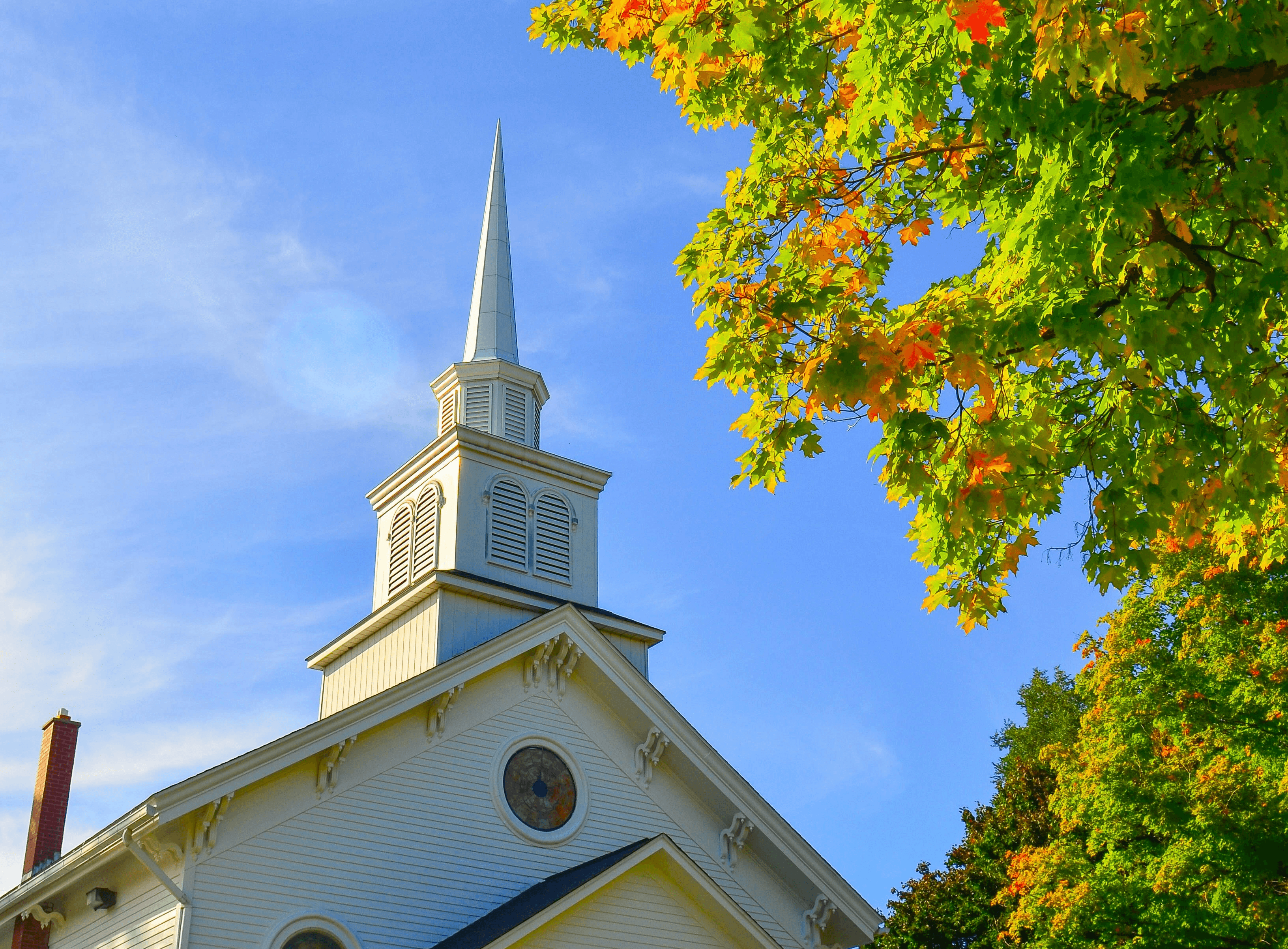
Church Roofing Services in Tulsa: Steep Slopes & Steeples
Tulsa has a remarkable density of churches. From the historic limestone sanctuaries downtown to the contemporary suburban worship centers in Owasso and Bixby, the metro houses hundreds of religious buildings — many with roofs that test what’s possible with conventional roofing approaches.
Steep slopes, decorative steeples, complex slate or tile, vaulted historic structures, and the financial realities of religious organizations all combine to make church roofing a specialty within commercial roofing.
This guide is for facilities committees, pastors, and property administrators navigating church roofing services in Tulsa. We’ll cover the specific challenges church buildings present, what materials and approaches work for different church types, what costs realistically look like, and how to navigate the funding side of major roof projects on tight budgets.
What Makes Church Roofs Different
Churches diverge from typical commercial roofing in several practical ways:
Steep slopes and complex geometry
Many churches feature dramatically steeper slopes than typical commercial buildings — 12:12 (45°) or more isn’t unusual. Add multiple intersecting slopes, decorative dormers, gables, and other architectural features, and the roof becomes complex to install, repair, and maintain.
Steeples and bell towers
Steeples are essentially small standalone structures that need their own roofing approach, often at significant height. Slate, metal, or specialty shingle systems require specialized access and installation skills.
Historic preservation considerations
Many older Tulsa churches are in historical districts or carry preservation status that limits material choices. Original copper, slate, or specialty tile may need to be matched. Modern alternatives may not be acceptable.
Vaulted ceilings and structural complexity
Many churches lack standard attic spaces. Vaulted sanctuary ceilings mean limited insulation options and different ventilation strategies. Inspections of underside conditions are often impossible without invasive access.
Mixed-use complexity
Modern church campuses often combine sanctuary, education, fellowship, administrative, and recreational buildings — each with potentially different roofing systems and needs.
Budget constraints
Churches are typically nonprofit organizations operating on member contributions. Major capital expenditures require committee approval, congregational education, and often specific fundraising. Project timelines are sometimes longer than commercial timelines.
Service continuity
Major roof work has to be coordinated around worship services, weddings, funerals, and other church activities. Scheduling flexibility is essential.
The Major Categories of Tulsa Church Roofing
Churches in our market generally fall into several types, each with different roofing needs.
Historic limestone or stone churches
Older downtown Tulsa churches with stone construction, often featuring slate or specialty asphalt roofs. Examples include early-20th-century churches in midtown Tulsa.
Roof considerations:
Original materials often slate — replacement requires either matching slate or careful evaluation of substitutes
Underlying decking may be skip-sheathing — which complicates modern asphalt installations
Flashings often copper — requiring matching for both performance and aesthetic
Historical preservation rules may apply
Cost typically: $25,000-$200,000+ for major repairs; $150,000-$750,000+ for full replacement.
Mid-century traditional churches
Brick or wood-frame churches built between 1940 and 1990, with conventional sloped roofs typically using asphalt shingles or sometimes wood shake (now replaced).
Roof considerations:
Architectural shingles typically the right call for modern replacement
Class 4 impact-resistant shingles particularly important given church property exposure
Steeples or bell towers requiring specialty work
Older shingles potentially containing asbestos — requires testing and special handling
Cost typically: $15,000-$80,000 for repairs; $50,000-$250,000 for full replacement.
Contemporary suburban churches
Late-20th and 21st-century church buildings, often featuring large worship centers with complex rooflines, fellowship halls, and education buildings.
Roof considerations:
Multiple roof types on a single campus — sloped sanctuaries, flat fellowship halls
Large square footage requiring substantial budget
HVAC-heavy roofs in cooled spaces
Multiple buildings requiring phased replacement
Cost typically: highly variable by campus size; $100,000-$1,000,000+ for major projects.
Worship-center large-scale buildings
Megachurches and large multi-purpose worship facilities with commercial-scale roofing similar to large retail or office complexes.
Roof considerations:
Single-ply membrane typical for large flat roofs
Architectural sloped sections for sanctuaries
Significant rooftop equipment
Long-term capital planning for systematic replacement
Cost typically: $200,000-$2,000,000+ for major projects.
Steeples, Bell Towers, and Specialty Features
Many Tulsa churches feature decorative steeples or bell towers that require specialty work.
Common steeple roofing materials
Copper — beautiful, durable, expensive (50+ year lifespan)
Standing seam metal — durable, more cost-effective than copper
Slate — historic and beautiful, expensive and labor-intensive
Specialty asphalt — for matching ranch or contemporary styles
Steeple-specific challenges
Height access — typically requires specialty equipment, lifts, or scaffolding
Wind exposure — steeples take more wind stress than the rest of the roof
Lightning protection — many steeples have lightning rods requiring proper integration
Bell installations — bell vibration affects surrounding flashings
Steeple replacement costs
Small steeple (under 20 feet, simple geometry): $15,000-$50,000
Medium steeple with copper or specialty work: $50,000-$150,000
Large historic steeple with full restoration: $150,000-$500,000+
Steeple work is specialty work. Many roofing contractors don’t take it on. Verify specific steeple experience when getting quotes.
Materials That Work for Tulsa Churches
For most church projects, recommended approaches:
For sloped sanctuary roofs
Class 4 impact-resistant architectural shingles — best for budget-conscious replacement; quality manufacturer like GAF, Owens Corning, CertainTeed
Standing seam metal — premium choice for long-term hold buildings; 50+ year lifespan
Slate — for historic preservation; very expensive but matches original construction
For flat fellowship halls or education buildings
TPO — energy-efficient, cost-effective
Modified bitumen — durable, hail-resistant
EPDM — economical for utility buildings
For specialty features
Copper — for steeples, bell towers, decorative features where budget allows
Standing seam metal — for steeples where copper budget isn’t available
Custom slate — for historic restorations
The Funding Side of Church Roof Projects
Beyond the technical decisions, churches typically face budget challenges that other commercial buildings don’t. Practical funding approaches:
Reserve fund planning
The most financially healthy churches maintain capital reserves specifically for major facility expenditures. A typical reserve goal: 1-2% of building value annually, accumulated for major replacements like roofing, HVAC, and parking lot work.
Capital campaigns
Specific fundraising campaigns for major projects. Roofing is a relatively easy capital campaign because the need is concrete, the cost is calculable, and the benefit is clear (the church doesn’t leak).
Effective campaigns typically:
Run 12-24 months
Include clear cost breakdowns
Have defined milestones
Recognize donors appropriately
Connect to mission (“a roof that lasts decades for a ministry that lasts decades”)
Phased projects
Splitting major work into phases can spread costs over multiple budget years. For churches with multiple buildings, phasing replacement of fellowship hall, then education wing, then sanctuary across 3-5 years is common.
Insurance claims
If storm damage triggered the project, insurance covers a substantial portion. Working with an experienced contractor on the claim can maximize covered scope and minimize out-of-pocket cost.
Borrowing
Some churches finance major roof projects through denominational lending programs or commercial loans. Generally appropriate when the cost can be repaid within 5-10 years and the alternative is leaking damage.
Grants
Some preservation grants are available for historic religious buildings. The application process is involved but can fund substantial portions of historic preservation roofing.
What a Church Roofing Quote Should Include
For church roof projects, quotes should be especially detailed:
System specifications — exact products, manufacturers, warranty terms
Architectural drawings for major or historic projects
Phasing plan if multi-phase
Schedule that respects church calendar — services, weddings, holidays
Workmanship warranty with transferability
Manufacturer warranty terms
Insurance certificates at appropriate levels
References from other church projects
Photo documentation plan
Specific code compliance verification
Church boards and facilities committees should expect detailed proposals — typically 15-30 pages — for major projects. Drive-by, one-page quotes aren’t appropriate for the scale and complexity of church roofing.
Working With the Right Contractor
Churches benefit from working with contractors experienced in religious building work specifically:
Look for
Portfolio of completed church projects in the Tulsa metro
References from church facility committees
Steeple/specialty work capability if applicable
Historic preservation experience if applicable
Schedule flexibility to work around services
Transparent communication with committees and boards
Patience with decision processes that move at committee speed
Avoid
Contractors trying to push a one-size-fits-all approach
High-pressure sales tactics (rare in church work but unfortunately exists)
Contractors lacking local references for similar buildings
Storm chasers showing up after weather events at church properties
A Note on the Storm-Chaser Issue
Religious buildings are sometimes specifically targeted by storm-chaser operators after major weather events. The reasoning: church boards may not have the same scrutiny processes as commercial property owners, and contractors can sometimes secure work through aggressive door-knocking before churches do due diligence.
Best practices for church facility committees:
Don’t sign contracts with contractors who show up unsolicited
Verify local presence — physical office, real local references
Get multiple quotes even in apparent emergency situations
Verify insurance and manufacturer certifications independently
Understand the contractor evaluation process that applies generally
A reputable local contractor who works on churches will be patient with committee processes and proper due diligence.
Phased Project Management for Church Buildings
For multi-building church campuses where full replacement isn’t feasible in one project, phased approaches work well:
Year 1: Critical buildings
Replace the most-deteriorated buildings first. Often the sanctuary or the building with active leaks.
Year 2-3: Mid-condition buildings
Replace buildings with developing issues but not in immediate crisis. Coordinate with budget cycles and capital campaign progress.
Year 4-5: Remaining buildings
Complete the program with remaining buildings as they reach individual peak need.
Multi-year coordination benefits
Spreads capital expenditure across budget years
Allows learning from early phases
Maintains worship continuity throughout
Aligns with capital campaign timing
Manageable for most church budgets
Church-Specific Insurance Considerations
A few notes on insurance for religious buildings:
Coverage adequacy
Many older church policies haven’t been updated to reflect current building values. Roof replacement project planning is a good time to verify replacement cost coverage is adequate.
Storm damage claims
Religious buildings sometimes face claim handling complexity due to: - Shared exterior maintenance (parking, landscape) that affects causation - Limited liability documentation - Sometimes-hesitant adjuster relationships
Working with experienced contractors who can advocate during the claims process matters.
Code-upgrade coverage
Older church buildings frequently need code-mandated upgrades during repair work. Verify your policy includes ordinance and law coverage to support these.
Documentation
Maintaining detailed inspection and maintenance records strengthens claim positions and reduces depreciation arguments. For older historic buildings particularly, photo documentation of pre-storm condition is valuable.
Long-Term Stewardship
Beyond the immediate project, churches benefit from systematic roof stewardship:
Annual or biennial professional inspections to catch issues early
Capital reserve building specifically for major facility expenditures
Documentation continuity as facilities committees rotate
Maintenance program during years between major projects
Relationships with trusted contractors who understand church operations
The roof is a long-term asset that supports decades of ministry. Treating it as one — with planning, maintenance, and informed decision-making — keeps the focus on the mission rather than the building.
Get a Church Roof Assessment
If your Tulsa-area church is considering roof work — whether routine repair, major replacement, steeple restoration, or capital planning — schedule a free roof inspection with our team.
We have specific experience with church buildings of all types, from historic downtown sanctuaries to contemporary suburban worship centers. Our inspection includes:
Full evaluation of all roof areas
Specific assessment of steeples, towers, or specialty features
Photo documentation
Realistic cost projections
Phasing options if helpful
Materials recommendations for your specific situation
We work with church facilities committees and boards on their timelines, with the patience and transparency that the decision process requires. The roof keeps the ministry going. We’re here to help you make confident, well-informed decisions about it.